Introduction
Workers operate at height every day. Heavy tools move across platforms. What keeps crews stable and safe? The answer is the scaffolding plank. It forms the working surface for industrial scaffolding. In this guide, you will learn how to choose the right scaffolding plank for demanding industrial projects.
Understanding the Role of a Scaffolding Plank in Industrial Projects
How a Scaffolding Plank Supports Worker Safety and Stability
A Scaffolding Plank creates the primary walking and working platform on any scaffold structure. Workers rely on it to stand, move equipment, and transport materials safely at height. A stable plank prevents movement underfoot and helps crews maintain balance while completing tasks. Strong materials and consistent structural strength allow the plank to hold weight evenly across the scaffold frame. This reduces vibration and creates a dependable surface during demanding industrial work. In complex environments such as refineries or manufacturing plants, reliable planks contribute directly to worker confidence and jobsite safety.
The Function of Scaffolding Planks in Load Distribution
On an industrial scaffold platform, weight rarely comes from a single source. Workers, tools, materials, and equipment often act together on the same surface. A properly designed Scaffolding Plank spreads this combined load across multiple scaffold supports, preventing concentrated pressure at one point and helping the scaffold structure remain stable during operation.
| Load Distribution Element | Technical Indicator / Standard Reference | Typical Data / Measurement | Practical Application on Site | Attention Notes |
| Duty Rating Classification | OSHA scaffold platform classification | Light duty: 25 lb/ft² (122 kg/m²); Medium duty: 50 lb/ft² (244 kg/m²); Heavy duty: 75 lb/ft² (366 kg/m²) | Determines the maximum distributed load allowed on the working platform | Always calculate combined weight of workers, tools, and stored materials |
| Uniform Load Distribution | Structural engineering principle | Load assumed evenly distributed along plank span | Ensures the plank transfers force evenly to scaffold ledgers or transoms | Avoid placing heavy equipment at a single point on the plank |
| Maximum Span Length | OSHA and industry practice | Typical spans: 1.5–3.0 m (5–10 ft) depending on plank material and thickness | Defines the distance between scaffold supports where the plank remains structurally stable | Longer spans increase bending stress and deflection |
| Allowable Deflection | OSHA scaffold guidance | Maximum deflection: L/60 of span length under load | Example: for a 3 m span, allowable deflection ≈ 50 mm | Excess deflection indicates uneven load distribution |
| Load Transfer Path | Structural load path principle | Worker → plank surface → plank ribs / structure → scaffold support → vertical frames | Ensures loads move safely from platform to ground support system | Planks must sit fully on support points |
| Platform Width Requirement | OSHA scaffold platform width guideline | Minimum platform width: 18 in (≈457 mm) for most scaffolds | Wider platforms distribute load across multiple planks | Narrow platforms may concentrate loads |
| Support Overlap / Bearing Length | OSHA scaffold plank placement requirement | Minimum 6 in (≈152 mm) plank overlap on each support | Provides sufficient bearing surface to transfer load to scaffold frame | Secure planks if overlap is reduced |
| Material Structural Strength | Material engineering data | Steel yield strength typically 250–350 MPa; LVL bending strength about 44–50 MPa | Determines how the plank resists bending under distributed load | Stronger materials allow higher duty ratings |
| Worker Load Assumption | Construction safety planning | Average worker weight assumption: 90–100 kg (198–220 lb) including tools | Used when calculating platform load capacity | Include equipment weight in calculations |
Tip:When planning scaffold platforms, calculate the total distributed load per square foot or square meter rather than estimating individual worker weight. This method provides a more accurate safety margin for industrial scaffolding operations.
Why Industrial Projects Require High-Performance Scaffolding Planks
Industrial construction environments often include large-scale equipment, chemical exposure, and continuous activity. These settings require a Scaffolding Plank designed for durability and high structural strength. High-performance planks maintain their stability during long work shifts and repeated use. They resist environmental influences such as moisture, temperature changes, and surface contaminants. In high-demand industrial settings, reliable planks help maintain productivity because crews can focus on tasks rather than platform safety. For contractors managing large projects, durable scaffolding planks support consistent performance throughout the construction timeline.
Key Factors When Selecting the Right Scaffolding Plank
Evaluating Load Capacity and Duty Ratings for Industrial Tasks
Load capacity determines how much weight a Scaffolding Plank can support during work operations. Industrial projects often involve multiple workers, heavy tools, and stored materials on a single platform. Each plank therefore needs a clear duty rating that reflects its maximum safe load. Contractors should calculate the combined weight of workers, equipment, and materials before choosing plank capacity. Planks designed for heavy-duty work support more demanding applications such as masonry or mechanical installation. Selecting the correct duty rating ensures the scaffold platform remains stable and dependable throughout the project.
Assessing Material Strength, Thickness, and Structural Integrity
Material strength influences the durability and reliability of a Scaffolding Plank. Strong materials maintain their shape under repeated loading and daily site use. Thickness also plays a role because it affects how the plank resists bending across scaffold spans. Planks built with consistent structural quality distribute weight evenly and maintain platform stability. Contractors often examine material composition, manufacturing standards, and reinforcement features before purchasing. These factors help ensure the plank delivers dependable structural support in high-demand industrial conditions.
Ensuring Compliance with Safety Standards and Certifications
Safety standards guide the design and manufacturing of every Scaffolding Plank used on professional job sites. Industrial contractors often rely on certified products that follow recognized safety frameworks. These certifications confirm that planks meet specific load requirements, structural quality standards, and construction guidelines. Compliance ensures workers operate on platforms designed for real construction conditions. Certified scaffolding planks provide confidence for contractors, project managers, and safety inspectors who oversee complex industrial work environments.
Comparing Different Types of Scaffolding Plank Materials
Steel Scaffolding Plank for Heavy-Duty Industrial Work
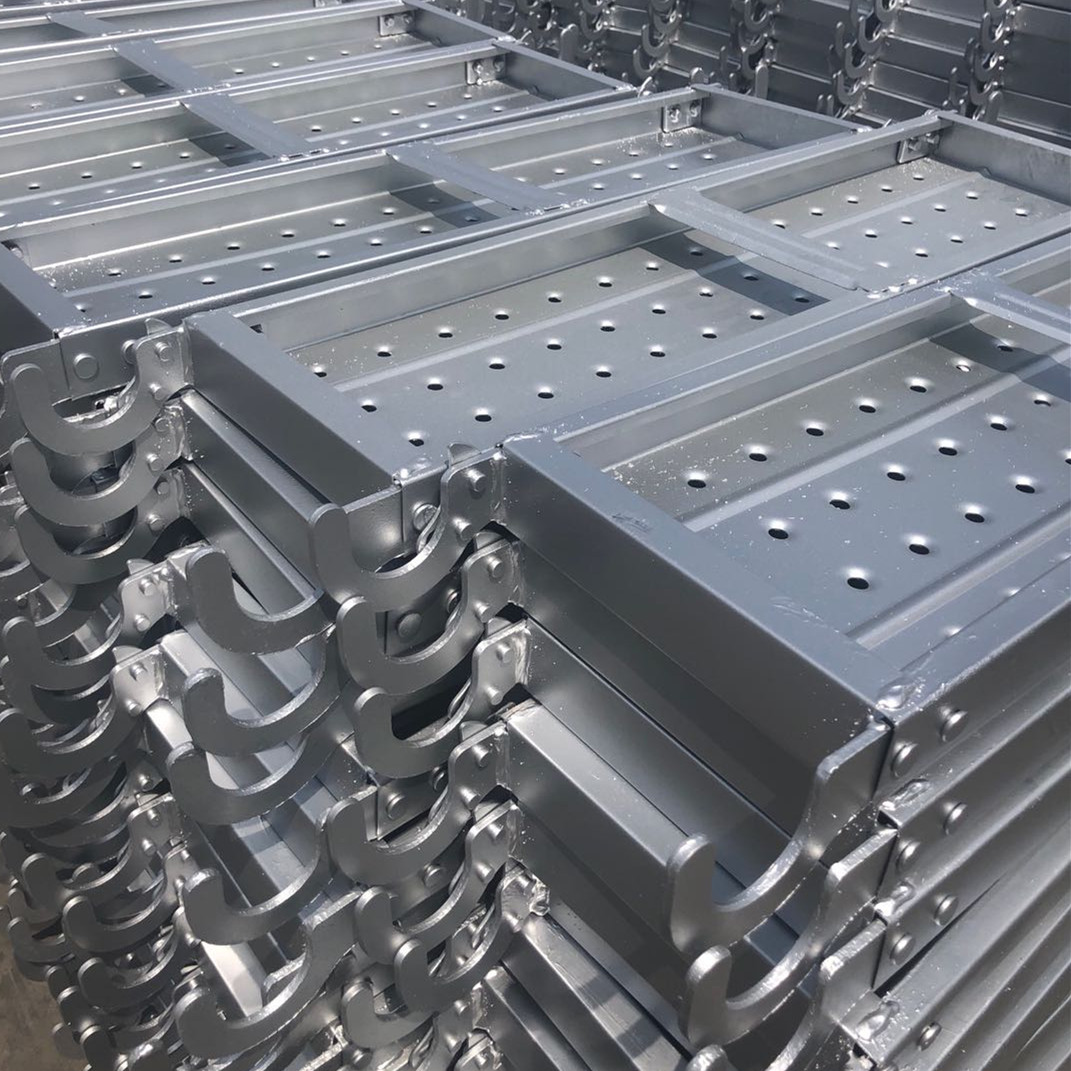
Steel is one of the most widely used materials for heavy-duty Scaffolding Plank systems. Its structural strength allows it to support demanding industrial loads while maintaining platform stability. Steel planks often feature reinforced ribs or perforated surfaces that increase grip and structural rigidity. These planks perform well in environments where high strength and durability are essential. Industrial facilities such as power plants, shipyards, and large factories often rely on steel planks for long-term scaffolding systems because they maintain consistent performance during intensive daily use.
Aluminum Scaffolding Plank for Lightweight and Flexible Applications
Aluminum provides a lighter alternative for Scaffolding Plank systems while maintaining strong structural reliability. Lightweight planks simplify transport, installation, and repositioning across complex job sites. Workers can handle them more easily when scaffolding requires frequent adjustments. Aluminum planks also maintain excellent resistance to environmental exposure and surface wear. Their lighter structure supports faster assembly, helping contractors improve workflow efficiency during maintenance projects, installation work, or multi-level industrial construction tasks.
Engineered Wood and Composite Scaffolding Plank Options
Engineered wood and composite materials offer another option for Scaffolding Plank platforms in many construction environments. Laminated veneer lumber combines multiple layers of wood veneers to produce consistent strength and structural reliability. Composite planks combine engineered fibers and modern manufacturing techniques to create strong working platforms. These materials provide uniform performance across the entire plank surface. Many contractors use engineered wood planks for industrial maintenance projects where consistent strength and platform stability are important.
Choosing the Right Size and Dimensions for Your Scaffolding Plank
Determining Proper Length Based on Scaffold Span Requirements
The correct length of a Scaffolding Plank depends on the distance between scaffold supports. Planks must extend beyond the support frames to maintain secure placement across the scaffold structure. Adequate length allows the plank to rest evenly across multiple support points while maintaining balance. Contractors often measure scaffold span distances before selecting plank sizes. This approach ensures the platform fits properly within the scaffold system and maintains a stable work surface throughout the project.
Selecting the Right Width and Thickness for Stable Work Platforms
Width and thickness directly influence the working comfort and structural strength of a Scaffolding Plank. Wider planks provide more standing space for workers and allow tools or materials to rest safely on the platform. Thickness contributes to structural strength by helping the plank resist bending during heavy use. Contractors typically select plank dimensions that match both worker movement needs and project load requirements. Balanced sizing improves stability and creates a comfortable workspace for crews performing complex industrial tasks.
Matching Scaffolding Plank Dimensions with Project Layout
Industrial projects often include irregular layouts and multiple scaffold configurations. Selecting the correct Scaffolding Plank dimensions ensures compatibility with the scaffold structure and project design. Contractors may use shorter planks in tight areas and longer planks across wider scaffold spans. Matching plank dimensions with project layout supports smoother worker movement across the platform. Proper sizing also improves installation efficiency, helping crews assemble scaffolding systems quickly and safely.
Essential Safety and Design Features in Modern Scaffolding Planks
Anti-Slip Surface Designs for High-Risk Industrial Environments
Modern Scaffolding Plank designs often include anti-slip surfaces that improve worker traction. Industrial sites frequently expose platforms to moisture, oil residue, or dust. Anti-slip textures help maintain worker stability during movement across the scaffold platform. Serrated metal surfaces or textured coatings increase friction underfoot. These design features allow workers to move confidently while handling tools and materials in challenging environments.
Reinforced Edges and Structural Support Features
Reinforced edges strengthen the structural stability of a Scaffolding Plank. Edge reinforcement helps the plank maintain shape when placed across scaffold frames and prevents deformation during heavy loading. Strong edges also improve connection between the plank and scaffold structure. Many modern planks include support ribs or internal reinforcement structures that increase durability. These design elements help maintain consistent performance in demanding industrial work environments.
Fire-Resistant and Corrosion-Resistant Scaffolding Plank Designs
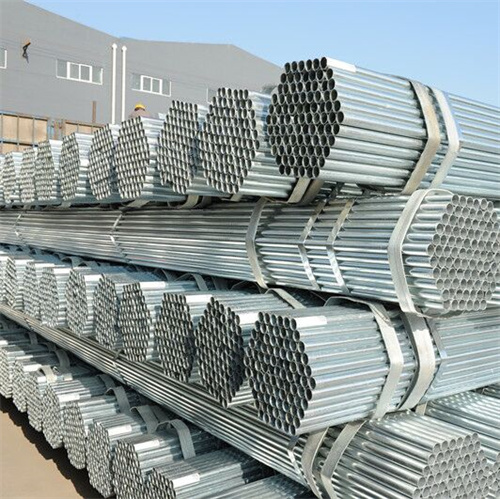
Industrial environments sometimes include high temperatures or chemical exposure. Many Scaffolding Plank products therefore feature materials that resist fire or corrosion. Galvanized coatings and corrosion-resistant metals protect the plank surface from environmental exposure. Fire-resistant materials help maintain structural stability in high-temperature operations. These design characteristics support long-term performance and ensure the plank remains reliable during extended industrial projects.
Ensuring Compatibility with Scaffolding Systems and Components
Matching Scaffolding Planks with Ringlock, Cuplock, and Frame Systems
Different scaffold systems use distinct support geometries, which directly influence Scaffolding Plank compatibility. Ringlock scaffolding typically uses ledger-based supports spaced at standardized intervals, often around 1.5–2.5 m, requiring planks designed for consistent span performance. Cuplock systems rely on node connections that position ledgers horizontally, so plank ends must align precisely with these connection points. Frame scaffolding usually supports planks on horizontal cross members. Contractors therefore verify plank length, end hooks, and bearing width to ensure full seating on the support structure and consistent load transfer across the scaffold platform.
Integration with Clamps, Verticals, and Other Scaffold Components
A Scaffolding Plank performs as part of a larger structural assembly that includes vertical standards, ledgers, transoms, and connecting clamps. Each component transfers loads through the scaffold frame down to the base supports. For efficient integration, planks must sit fully on transoms or ledgers and remain unobstructed by clamp connections. Contractors also ensure clamps maintain proper torque so that vertical standards remain aligned under working loads. Proper component coordination helps maintain uniform load paths through the scaffold structure and improves platform stability during industrial construction operations.
Achieving Stable Platform Installation Through Proper Fit
Correct installation ensures a Scaffolding Plank functions as a stable working surface rather than a movable board. Industrial scaffold guidelines typically require planks to extend beyond their supports by at least 150 mm to provide adequate bearing length. Workers place planks flush against adjacent boards to create a continuous platform surface without gaps. During installation, supervisors confirm that planks rest flat across all support points and that no rocking occurs when weight is applied. Proper alignment improves worker movement, maintains load balance, and allows the scaffold system to perform consistently throughout demanding project conditions.
Inspection, Handling, and Long-Term Performance of Scaffolding Planks
Routine Inspection Practices for Safe Industrial Operations
A structured inspection program improves the reliability of every Scaffolding Plank used on industrial sites. Safety supervisors often follow standardized inspection procedures before each shift and after significant environmental exposure such as rain, temperature shifts, or heavy loading cycles. Inspectors check plank seating on supports, confirm proper overlap on scaffold frames, and review the surface condition for traction performance. Many contractors also implement documented inspection logs that record plank identification numbers, span lengths, and inspection dates. Maintaining clear inspection records helps verify that each plank continues to meet load requirements and supports safe scaffold operation throughout the project.
Proper Storage and Handling to Maintain Scaffolding Plank Quality
Proper storage and transport procedures play a key role in maintaining the structural integrity of a Scaffolding Plank. Industrial contractors typically designate protected storage areas that shield planks from prolonged moisture, direct ground contact, and excessive temperature changes. Planks are stacked on level supports to prevent bending stress and maintain uniform shape. During transportation, lifting methods that distribute weight evenly across the plank help avoid structural distortion. Many professional sites also separate planks by type and length to improve organization and reduce unnecessary handling during scaffold assembly and dismantling operations.
Identifying Wear Indicators for Timely Replacement
Routine evaluation of scaffold platforms helps maintain structural reliability during industrial operations. Supervisors and safety teams typically review multiple indicators—including surface integrity, structural deformation, and load performance—to determine when a Scaffolding Plank should be removed from service and replaced. The following reference provides practical inspection indicators used on professional construction sites.
| Wear Indicator | Typical Inspection Area | Technical Measurement / Parameter | Practical Application on Site | Attention Notes |
| Surface Cracks (Wood Planks) | Top walking surface and plank edges | Crack length often > 150 mm (6 in) or depth > 6 mm (1/4 in) indicates structural weakening | Inspect before each shift; cracks reduce load transfer across the plank | Avoid painting wood planks because coatings may hide cracks |
| End Splitting (Timber Planks) | Both plank ends near support points | Split extending more than 300 mm (12 in) from plank end is considered unsafe | Common on long-span boards due to repeated loading | Metal end bands can reduce splitting but do not eliminate inspection needs |
| Excessive Deflection | Mid-span area during loading | OSHA guideline: deflection should not exceed L/60 of span length | Example: a 3 m plank span should not deflect more than ~50 mm under working load | Excessive bending indicates reduced load capacity |
| Warping or Cupping | Entire plank surface | Deviation > 10 mm across plank width may affect stability | Uneven surfaces increase slip risk for workers and tools | Store planks flat to minimize deformation |
| Corrosion (Metal Planks) | Underside ribs, perforations, joints | Visible rust scaling > 1 mm thickness or corrosion across >10% of surface area | Often found in marine, chemical, or humid industrial environments | Galvanized coatings improve corrosion resistance |
| Structural Dents or Deformation (Metal Planks) | Support ribs or side rails | Deformation exceeding 3 mm depth in load-bearing ribs may affect strength | Heavy tools or dropped equipment may cause this damage | Inspect support ribs because they carry structural load |
| Surface Wear / Anti-Slip Degradation | Walking surface | Loss of serrated grip pattern or >30% reduction in traction texture | Reduced friction increases slip potential on oily or wet platforms | Replace plank if anti-slip surface becomes smooth |
| Delamination (Engineered Wood / LVL) | Layered veneer structure | Visible separation between veneer layers > 1 mm gap | Delamination weakens uniform load distribution | Store away from prolonged moisture exposure |
Tip:Inspection records should include plank ID, inspection date, and span length used on site. Keeping documented inspection logs helps verify that each Scaffolding Plank remains within safe operating parameters throughout the project lifecycle.
Conclusion
Selecting the right scaffolding plank is essential for safe and efficient industrial construction. Proper evaluation of load capacity, materials, dimensions, and system compatibility helps create stable working platforms for demanding job sites. High-quality planks improve productivity while protecting workers at height. TFCO. provides reliable scaffolding plank solutions designed for strength, durability, and long service performance, helping contractors build safer scaffolding systems and complete projects with confidence.
FAQ
Q: What is a scaffolding plank used for in industrial projects?
A: It forms the work platform on scaffolds. It supports workers, tools, and materials safely at height.
Q: How do you choose the right scaffolding plank?
A: Check load rating, material strength, size, and system fit. TFCO. offers reliable planks designed for demanding industrial projects.
Q: Why do industrial sites prefer durable scaffolding planks?
A: Strong planks maintain stability under heavy loads. TFCO. products provide dependable performance and long service life.
Q: Are TFCO. scaffolding planks suitable for different scaffold systems?
A: Yes. TFCO. designs planks compatible with ringlock, cuplock, and frame scaffolding systems.
Q: What advantages do TFCO. scaffolding planks provide?
A: TFCO. planks offer strong load capacity, stable surfaces, and durable construction for industrial applications.


