
Views: 366 Author: Site Editor Publish Time: 2026-04-08 Origin: Site


In modern construction, safety and compliance are not optional—they are fundamental requirements that directly impact project success, worker protection, and regulatory approval. One of the key components that supports these goals is the EN39 4mm scaffolding tube, a widely recognized standard in the scaffolding industry. From our experience as a steel product manufacturer, choosing the right scaffolding materials plays a critical role in ensuring structural stability, load-bearing performance, and adherence to international safety standards.
The EN39 standard defines the specifications for steel tubes used in scaffolding systems, including dimensions, tolerances, and mechanical properties. Among these, the 4mm thickness variant is particularly valued for its strength and durability, making it suitable for demanding construction environments. In this guide, we will explore what EN39 4mm scaffolding tubes are, why they are important for construction safety and compliance, and how to select and use them effectively.
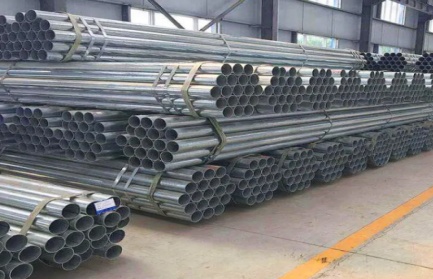
The EN39 4mm scaffolding tube refers to a steel tube manufactured in accordance with the European EN39 standard, with a wall thickness of 4mm. These tubes are typically used in scaffolding systems to provide structural support for workers, materials, and equipment at elevated heights.
Parameter | Specification |
Standard | EN39 |
Outer diameter | 48.3 mm |
Wall thickness | 4.0 mm |
Material | Carbon steel |
Surface finish | Galvanized or black |
These specifications ensure consistency, strength, and compatibility with standard scaffolding fittings.
The EN39 standard plays a fundamental role in ensuring the structural reliability of scaffolding systems. In construction environments, scaffolding is subjected to constant loads, dynamic forces, and environmental stress. Without standardized specifications, inconsistencies in tube dimensions or material strength could lead to serious structural issues. EN39 addresses this by defining strict requirements for outer diameter, wall thickness, mechanical properties, and manufacturing tolerances.
These requirements ensure that every EN39 4mm scaffolding tube performs consistently across different projects and applications. The standardized 48.3 mm diameter and 4 mm wall thickness allow seamless compatibility with couplers, clamps, and other scaffolding components, reducing the risk of improper assembly.
Feature | Impact |
Standardized dimensions | Easy compatibility with fittings |
High strength material | Reliable load-bearing capacity |
Quality control | Consistent performance |
By using EN39-compliant materials, contractors can minimize the risk of structural failure caused by weak or mismatched components. This consistency is particularly important in large-scale projects where multiple scaffolding systems are assembled simultaneously. Ultimately, standardized materials contribute to safer, more predictable construction processes.
Worker safety is one of the most critical considerations in any construction project. Scaffolding systems must provide stable and secure platforms for workers operating at height, often under challenging conditions. The EN39 4mm scaffolding tube is specifically designed to meet these safety requirements by offering enhanced strength and stability.
Key safety advantages include:
· Strong resistance to bending and deformation under heavy loads
· Secure and reliable connections with standard scaffolding fittings
· Reduced risk of structural instability or collapse
Because EN39 tubes are manufactured under strict quality control, they provide consistent performance even in demanding environments. This reliability helps prevent accidents caused by material failure, which is one of the leading risks in scaffolding systems.
In addition, the uniformity of EN39 tubes ensures that scaffolding structures can be assembled correctly and efficiently. Proper alignment and secure connections are easier to achieve when all components meet the same standard, further enhancing safety on site.
By using EN39 4mm scaffolding tubes, contractors can create safer working environments, reduce the likelihood of accidents, and improve overall site management.
Compliance with recognized standards is essential for passing safety inspections and meeting legal requirements in construction projects. The EN39 standard is widely accepted across Europe and many international markets, making it a reliable benchmark for quality and safety.
Using EN39-compliant scaffolding tubes offers several regulatory advantages:
Requirement | Advantage |
Safety inspections | Easier approval |
International projects | Standard compatibility |
Documentation | Clear certification |
Projects that use certified materials are more likely to pass inspections without delays, ensuring smooth project timelines. In contrast, non-compliant materials may require additional testing or replacement, leading to increased costs and project disruptions.
For companies involved in international construction projects, EN39 compliance is particularly important. It ensures that materials meet global expectations, simplifying procurement and reducing compatibility issues across different regions.
The 4mm wall thickness of EN39 scaffolding tubes provides a significant advantage in terms of load-bearing capacity. Compared to thinner tubes, such as 3.2 mm variants, 4mm tubes can support heavier loads without compromising structural integrity.
Thickness | Strength Level | Application |
3.2 mm | Medium | Light-duty scaffolding |
4.0 mm | High | Heavy-duty construction |
This increased strength makes 4mm tubes ideal for demanding applications, including high-rise construction, infrastructure projects, and industrial maintenance work. Contractors can rely on these tubes to provide stable support for both workers and equipment.
Durability is another key advantage of 4mm scaffolding tubes. Construction sites often expose materials to harsh conditions, including impacts, weather changes, and continuous use. Thicker tubes are better equipped to withstand these challenges.
Benefits of improved durability include:
· Greater resistance to physical damage and wear
· Longer service life compared to thinner alternatives
· Reduced frequency of replacement and maintenance
This not only improves operational efficiency but also lowers long-term costs, making 4mm tubes a cost-effective investment for construction companies.
In real-world construction scenarios, scaffolding structures are subjected to dynamic forces such as wind loads, movement of workers, and shifting materials. The 4mm thickness provides enhanced resistance to bending and deformation under these conditions.
This ensures that the scaffolding maintains its shape and stability, even under stress. As a result, the risk of structural instability is significantly reduced, contributing to safer working conditions.
The versatility of EN39 4mm scaffolding tubes makes them suitable for a wide range of applications across the construction and industrial sectors.
Typical Uses Include:
· Building construction for residential and commercial projects
· Bridge and infrastructure development
· Industrial maintenance and repair operations
· Temporary support structures for events or installations
In each of these applications, scaffolding must provide reliable support while adapting to different structural requirements. EN39 tubes offer the flexibility and strength needed to meet these demands.
For example, in high-rise construction, scaffolding must support multiple levels of workers and materials simultaneously. In infrastructure projects, such as bridges, scaffolding systems must withstand environmental factors like wind and vibration. EN39 4mm tubes are well-suited to handle these challenges.
To maximize safety and performance, proper handling, installation, and maintenance of scaffolding tubes are essential. Even high-quality materials require correct usage to deliver optimal results.
· Inspect tubes before use for signs of damage, corrosion, or deformation
· Ensure proper alignment and secure connections between components
· Avoid exceeding the recommended load capacity
· Follow local safety regulations and industry standards
Step | Action |
Inspection | Check for defects or corrosion |
Installation | Secure fittings properly |
Load management | Stay within specified limits |
Maintenance | Conduct regular checks |
Regular inspection and maintenance are particularly important for long-term projects where scaffolding is used continuously. Identifying and addressing issues early can prevent accidents and extend the lifespan of the equipment.
In addition, proper training for workers handling scaffolding systems is essential. Understanding how to assemble, use, and inspect EN39 scaffolding tubes ensures that safety standards are consistently maintained.
Selecting a reliable supplier is crucial for ensuring quality and compliance.
Factor | Importance |
Certification | Ensures compliance |
Material quality | Affects durability |
Manufacturing standards | Consistency and reliability |
Technical support | Helps with selection |
A trusted supplier ensures that your scaffolding system meets safety and performance requirements.
The combination of strength, compliance, and versatility makes the EN39 4mm scaffolding tube an ideal solution for modern construction projects.
Benefit | Value |
Safety | Reduces risks |
Compliance | Meets standards |
Durability | Long service life |
Efficiency | Reliable performance |
In construction, every component contributes to the overall safety and success of a project. From our perspective, the EN39 4mm scaffolding tube is not just a structural element—it is a critical factor in ensuring compliance, protecting workers, and maintaining operational efficiency. Its standardized design, high strength, and proven reliability make it a preferred choice for contractors and engineers worldwide.
At Tianjin Friend Steel Group, we are committed to providing high-quality EN39 scaffolding tubes that meet international standards and project requirements. If you are looking for dependable scaffolding solutions or need guidance on selecting the right materials, our team is ready to support your construction needs with practical expertise and reliable products.
It is used in scaffolding systems to provide structural support for construction and maintenance work at height.
The 4mm thickness offers higher strength and load capacity, making it suitable for heavy-duty applications.
Yes, EN39 is a widely recognized European standard ensuring safety and quality.
Regular inspection, proper installation, and adherence to load limits are essential for safe operation.
