
Views: 0 Author: Site Editor Publish Time: 2025-11-28 Origin: Site


RSH (Rectangular Steel Hollow) and SHS (Square Steel Hollow) tubes are integral components in various industries, particularly in construction, infrastructure, and engineering. These versatile steel tubes are used for structural support, frames, scaffolding, and load-bearing applications due to their strength, durability, and ease of use. As industries continue to grow, the importance of environmental sustainability in manufacturing has become increasingly prominent, especially in the steel tube industry. With rising concerns about resource depletion and environmental impact, manufacturers are increasingly focusing on sustainable production practices. This article explores the environmental benefits and sustainable practices associated with RSH/SHS steel tubes, highlighting their role in reducing waste, energy consumption, and supporting a more eco-friendly manufacturing process.
The production of RSH (Rectangular Steel Hollow) and SHS (Square Steel Hollow) steel tubes has become more sustainable with innovations in energy efficiency, the use of recycled materials, and waste reduction. These practices contribute to reducing the environmental impact of manufacturing while maintaining high-quality production standards.
Energy efficiency is key in the production of RSH/SHS steel tubes. Modern rolling mills optimize temperature control and speed to minimize energy use. Welding methods like high-frequency induction and electric resistance welding consume less energy than traditional methods, improving overall efficiency. Additionally, the galvanizing process has been improved to reduce energy consumption during zinc coating, making it more sustainable.
Steel manufacturers increasingly use recycled steel in the production of RSH/SHS tubes. Recycling steel reduces the need for virgin materials, conserving natural resources and lowering the environmental impact of mining. This process uses less energy compared to producing new steel, significantly reducing the carbon footprint of steel tube manufacturing.
Modern production processes focus on reducing waste by reusing scrap materials generated during production. Scrap metal is collected and recycled back into the system, reducing landfill waste. Precision cutting and shaping techniques also minimize excess material, contributing to more efficient use of resources. Additionally, many facilities use closed-loop systems to recycle waste within the production line.
RSH (Rectangular Steel Hollow) and SHS (Square Steel Hollow) steel tubes are fully recyclable, making them a sustainable material choice for various applications. Steel is 100% recyclable without losing its strength or quality, meaning that at the end of the tube’s life, it can be melted down and repurposed into new products. This process conserves natural resources, reduces the need for raw materials like iron ore, and significantly lowers the environmental impact of manufacturing. Recycling RSH/SHS steel tubes minimizes waste and reduces the amount of steel sent to landfills, aligning with the growing need for sustainable construction materials.
The use of RSH/SHS steel tubes fits perfectly within the concept of a circular economy, where products are designed for reuse, refurbishment, and recycling. Steel’s inherent recyclability allows these tubes to be part of a closed-loop system, where they are continuously recycled and reincorporated into new products at the end of their life cycle. This reduces waste and extends the lifespan of materials, contributing to a more sustainable manufacturing model. The circular economy approach ensures that RSH/SHS steel tubes remain valuable resources, supporting long-term environmental sustainability by reducing the need for virgin materials and lowering energy consumption in production processes.
RSH (Rectangular Steel Hollow) and SHS (Square Steel Hollow) steel tubes are known for their inherent durability, which significantly extends their lifespan, especially when galvanized or coated. The addition of a zinc coating through galvanization or other surface treatments enhances the tubes' corrosion resistance, making them ideal for use in harsh environments, including outdoor construction, infrastructure, and industrial applications. This extended lifespan means fewer replacements over time, which in turn reduces material consumption and the environmental impact associated with producing new steel tubes. The longer the tubes last, the fewer resources are required to manufacture and transport replacement tubes, contributing to a more sustainable use of materials.
The corrosion-resistant properties of galvanized RSH/SHS steel tubes play a significant role in lowering maintenance requirements. Galvanized steel, with its protective zinc coating, is highly resistant to rust, weathering, and chemical corrosion, meaning that these tubes need less frequent repairs or replacements compared to uncoated steel tubes. This reduced maintenance not only saves time and labor but also minimizes the need for additional materials and energy involved in repairs. By reducing the frequency of maintenance, galvanized steel tubes help reduce the environmental impact of ongoing repairs and replacements, making them a more sustainable option for long-term projects. The durability and low maintenance requirements of these tubes contribute to a more eco-friendly and cost-effective solution over their lifespan.
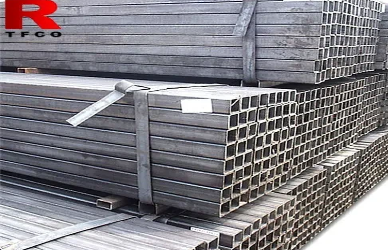
Many RSH (Rectangular Steel Hollow) and SHS (Square Steel Hollow) steel tube manufacturers comply with environmental standards to ensure sustainable practices are integrated throughout the production process. One of the most common certifications is ISO 14001, which outlines the requirements for an effective environmental management system. This certification ensures that manufacturers minimize their environmental impact by optimizing resource usage, reducing waste, and complying with environmental regulations. Manufacturers adhering to such standards demonstrate a commitment to reducing their carbon footprint, conserving resources, and implementing sustainable practices across their operations, from raw material sourcing to production processes and waste management.
RSH/SHS steel tubes are increasingly used in green building projects, contributing to sustainable construction practices. These tubes' recyclability and durability make them an ideal choice for eco-friendly building materials. Additionally, their use in projects that pursue LEED (Leadership in Energy and Environmental Design) certification has been growing. LEED certification recognizes buildings that meet high standards for energy efficiency, water conservation, and sustainability. The inclusion of RSH/SHS steel tubes in LEED-certified projects contributes to a building’s sustainability goals by promoting resource efficiency, minimizing environmental impact, and supporting the use of durable materials that can be recycled at the end of their life. The use of these steel tubes aligns with the growing trend of adopting environmentally conscious materials in modern construction.
Answer: Yes, RSH/SHS steel tubes are eco-friendly because they are made from 100% recyclable steel, which can be reused indefinitely without losing its strength or quality. Their production process has become more energy-efficient, and the long lifespan of these tubes reduces the need for frequent replacements, further lowering environmental impact. Steel's recyclability makes these tubes an excellent choice for sustainable construction and other industries, contributing to resource conservation and reduced waste over time.
Answer: RSH/SHS steel tubes play a key role in sustainable construction by offering durable, long-lasting materials that reduce the frequency of replacements. Their corrosion resistance, especially when galvanized or coated, extends their service life significantly, reducing the need for regular repairs or replacements. This means fewer resources are used for manufacturing new tubes, and less waste is generated from discarded materials. Their strength and durability help build structures that are resilient, requiring less upkeep and contributing to long-term environmental sustainability.
Answer: The use of recycled steel in the production of RSH/SHS steel tubes significantly reduces the environmental impact of manufacturing. By incorporating recycled steel, manufacturers can conserve natural resources, such as iron ore, and lower the energy consumption required to produce new steel. Recycling also reduces waste generation, as scrap metal is repurposed rather than discarded. This practice helps close the loop in the steel production cycle, contributing to a more sustainable and eco-friendly manufacturing process.
Answer: Yes, RSH/SHS steel tubes are 100% recyclable. At the end of their life, they can be easily melted down and reused to create new steel products. This process not only conserves natural resources but also reduces the amount of waste sent to landfills. By being part of the circular economy, these tubes contribute to a system where materials are continuously recycled and reused, minimizing the need for raw material extraction and reducing the overall environmental impact of steel production.
RSH (Rectangular Steel Hollow) and SHS (Square Steel Hollow) steel tubes offer significant environmental benefits, including their recyclability, energy-efficient production processes, and long lifespan. These tubes are made from 100% recyclable steel, reducing the need for virgin materials and minimizing waste. The energy-efficient manufacturing processes help lower the overall carbon footprint, while the durability and corrosion resistance of RSH/SHS steel tubes ensure fewer replacements and reduced material consumption over time. Sustainable practices in the steel industry, such as the use of recycled steel and environmentally friendly production methods, are becoming increasingly important as industries strive to minimize their environmental impact. As the demand for sustainable construction and infrastructure grows, RSH/SHS steel tubes are playing an essential role in green building projects, contributing to more eco-conscious and resource-efficient structures. It is crucial for project stakeholders to consider the environmental impact of materials like RSH/SHS steel tubes when selecting products for their projects, ensuring a more sustainable future for the construction industry.
