
Views: 226 Author: Site Editor Publish Time: 2025-12-23 Origin: Site


Galvanized steel pipes and regular steel pipes are both commonly used in a wide range of applications, but they have distinct characteristics that make them suitable for different environments and projects. Galvanized steel pipes are steel pipes coated with a layer of zinc through a galvanizing process, which enhances their resistance to corrosion and rust. This makes them ideal for outdoor, wet, or highly corrosive environments, as the zinc layer provides a protective barrier that prolongs their lifespan. On the other hand, regular steel pipes are made from untreated steel and are more susceptible to rust and corrosion over time, making them better suited for dry, indoor environments where exposure to moisture is minimal. Choosing the right type of steel pipe for a project is crucial, as it directly impacts the durability, maintenance requirements, and overall cost-effectiveness of the installation. Environmental conditions, project needs, and budget all play a significant role in determining whether galvanized steel or regular steel pipes are the better choice for a particular application.
Galvanized steel pipes are steel pipes that have been coated with a layer of zinc to improve their resistance to corrosion and rust. The process of galvanization forms a protective barrier that helps the pipes withstand exposure to harsh environmental conditions.
The most common method for galvanizing steel pipes is the hot-dip galvanizing process. In this process, steel pipes are immersed in a bath of molten zinc at high temperatures, allowing the zinc to bond chemically with the steel. This coating provides a robust, long-lasting layer of protection that prevents moisture and corrosive substances from coming into direct contact with the steel surface, significantly enhancing the pipe's durability and lifespan.
Galvanized steel pipes are widely used across various industries due to their durability and corrosion resistance. They are commonly found in construction for structural support and scaffolding, in agriculture for irrigation systems, in water supply systems for both residential and industrial plumbing, and in the oil and gas industry for transporting fluids and gases.
Excellent Corrosion Resistance: The zinc coating makes galvanized steel pipes highly resistant to corrosion, making them ideal for outdoor use, in damp environments, or in areas where exposure to water and chemicals is common.
Longer Lifespan: Galvanized steel pipes have a significantly longer service life compared to non-coated steel pipes, often lasting several decades when properly maintained.
Lower Maintenance Costs: Due to their corrosion-resistant properties, galvanized steel pipes require less frequent maintenance and replacement, reducing overall costs in the long term.
Regular steel pipes are untreated steel pipes that have not undergone any coating or galvanizing process. These pipes are typically used in environments where exposure to moisture or corrosive elements is minimal, making them ideal for dry, indoor applications.
Regular steel pipes are commonly used in construction interiors for structural support, plumbing systems for carrying water or gas, and oil pipelines for transporting oil and natural gas, especially in areas where the risk of corrosion is low. They are also used in other industrial applications where corrosion resistance is not a primary concern.
Lower Initial Purchase Cost: Regular steel pipes are generally less expensive than galvanized steel pipes because they do not require the galvanizing process, making them a more affordable option for many projects.
Good Mechanical Properties: Regular steel pipes have strong mechanical properties, including high tensile strength, making them suitable for applications that require durability and load-bearing capacity in low-corrosion environments.
Easier to Process and Weld: Regular steel pipes are easier to fabricate, weld, and modify compared to galvanized steel pipes, as there is no zinc coating to interfere with these processes, making them more versatile in construction and industrial applications.
Galvanized Steel Pipes: Galvanized steel pipes are coated with a protective layer of zinc, which acts as a barrier against moisture and corrosive substances. This makes them highly resistant to rust and corrosion, making them ideal for use in wet or corrosive environments such as outdoor installations or plumbing in areas with high humidity.
Regular Steel Pipes: Regular steel pipes are not coated and are therefore more susceptible to rust and corrosion when exposed to moisture or chemicals. They are better suited for dry, indoor applications where the risk of corrosion is minimal.
Galvanized Steel Pipes: Thanks to the protective zinc coating, galvanized steel pipes typically have a longer lifespan compared to regular steel pipes. They can last for several decades, especially when used in outdoor or high-moisture environments, reducing the need for frequent replacements.
Regular Steel Pipes: Regular steel pipes generally have a shorter lifespan due to their vulnerability to rust and corrosion. In moist or outdoor environments, they may require more frequent maintenance and replacement.
Galvanized Steel Pipes: While galvanized steel pipes are more expensive initially due to the galvanizing process, they offer long-term savings due to their durability. The additional cost is often offset by reduced maintenance and replacement needs, making them a more cost-effective choice in the long run.
Regular Steel Pipes: Regular steel pipes are more affordable upfront since they do not undergo the galvanizing process. However, they may incur higher maintenance costs over time, especially in environments prone to corrosion, as they require regular rust prevention treatments or replacements.
Galvanized Steel Pipes: Because galvanized steel pipes are resistant to rust and corrosion, they require less maintenance. Their protective zinc coating helps to prolong their use and minimize the need for repairs or replacements, making them a low-maintenance option.
Regular Steel Pipes: Regular steel pipes require more frequent maintenance to prevent rust and corrosion. This may include applying protective coatings or rust-resistant treatments, as well as replacing pipes more often, especially in moist or outdoor conditions. As a result, they typically have higher maintenance costs over time.
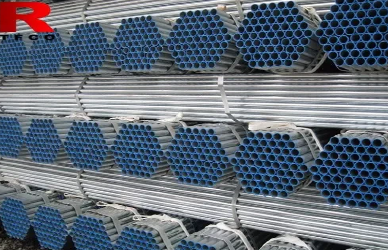
Galvanized Steel Pipe: If your project is located in an outdoor, damp, or corrosive environment, galvanized steel pipes are the ideal choice. The protective zinc coating on galvanized pipes provides an additional layer of defense against rust and corrosion, making them highly suitable for applications exposed to moisture, rain, or harsh chemicals. They are commonly used in plumbing systems, construction scaffolding, and industrial applications where environmental factors can accelerate the deterioration of untreated steel.
Regular Steel Pipe: Regular steel pipes are better suited for indoor and dry environments, where exposure to moisture and corrosive elements is minimal. These pipes are perfect for use in buildings or areas that are not subject to high humidity or environmental factors that would cause them to rust. They are typically used for structural support, plumbing, and oil pipelines that are installed in controlled, dry conditions.
Galvanized Steel Pipe: While galvanized steel pipes have a higher initial cost due to the galvanizing process, they offer long-term savings on maintenance. Their enhanced corrosion resistance means fewer repairs or replacements are required over time, making them a cost-effective option in the long run. If your project has a longer lifespan or will be exposed to harsh environmental conditions, investing in galvanized steel pipes will be worth the additional upfront expense.
Regular Steel Pipe: Regular steel pipes are more budget-friendly in the short term, making them an ideal choice for projects with a limited budget or for short-term usage. However, it's important to consider that these pipes may require regular maintenance or even replacement due to rust and corrosion, especially in outdoor or wet conditions. While the upfront cost is lower, the long-term maintenance expenses could add up.
Answer: The main difference is that galvanized steel pipes are coated with a layer of zinc, which provides corrosion resistance, making them suitable for damp or outdoor environments. Regular steel pipes, on the other hand, are prone to rust and are more suitable for dry, indoor applications.
Answer: Galvanized steel pipes typically last between 20 to 50 years, depending on environmental conditions and maintenance. Their corrosion-resistant coating makes them ideal for long-term use, especially in outdoor or humid environments.
Answer: Regular steel pipes are not ideal for outdoor environments, particularly in damp or corrosive conditions, as they are prone to rust. If used outdoors, regular steel pipes require regular maintenance or protective coatings to prevent corrosion.
Answer: Installing galvanized steel pipes is similar to regular steel pipes, but additional care must be taken to avoid damaging the galvanized coating during welding or cutting. If the coating is damaged, it may need to be reapplied to ensure corrosion resistance is maintained.
In conclusion, the key differences between galvanized steel pipes and regular steel pipes lie in their corrosion resistance, lifespan, cost, and maintenance requirements. Galvanized steel pipes are coated with a protective zinc layer that enhances their resistance to rust and corrosion, making them ideal for outdoor, damp, or corrosive environments. They have a longer lifespan and require less maintenance, although they come with a higher initial cost. On the other hand, regular steel pipes, while more affordable upfront, are more susceptible to corrosion and require more frequent maintenance, especially in environments exposed to moisture. They are better suited for dry, indoor applications or short-term projects. Choosing the right type of steel pipe based on factors such as environment, budget, and long-term maintenance is crucial for the success and efficiency of your project. A well-considered decision will ensure durability, reduce overall costs, and contribute to the long-term performance of the system.
