
Views: 358 Author: Site Editor Publish Time: 2026-04-21 Origin: Site


Construction standards are never just paperwork on a project file. They shape how materials are selected, how scaffolding systems perform on site, and how safely people can work at height in demanding environments. That is why EN39 4mm Scaffolding Tube remains a highly recognized option in international construction, industrial maintenance, infrastructure development, and temporary access systems. At Tianjin Friend Steel Group, we understand that contractors, distributors, and engineering buyers do not simply want steel tubes that look correct on paper. They need scaffolding materials that align with recognized standards, deliver structural reliability, and support real-world site conditions across different regions and project types.
Modern construction has become increasingly international. A project may be designed by one company, managed by another, supplied through several countries, and executed by site teams from multiple regions. In that context, consistency in materials is no longer a convenience. It is a requirement.
Scaffolding is a critical part of site safety and work efficiency. It supports workers, tools, temporary access, and project sequencing. If the tubing used in a scaffolding system does not meet recognized standards, it can create uncertainty in installation, compatibility, and structural performance. This is why internationally understood products continue to hold strong value.
EN39 is widely associated with steel tubes intended for scaffolding use. In practical terms, the value of EN39 is that it provides a clear reference point for scaffold tube characteristics that matter on site. Buyers are not just looking at a steel pipe as a raw product. They are looking at whether it can support safe assembly, predictable load-bearing behavior, and compatibility with commonly used fittings and scaffolding structures.
The 4mm wall thickness is particularly important because it contributes to the tube’s strength, rigidity, and durability in demanding construction use. In a scaffolding environment, tube thickness influences more than appearance. It affects resistance to deformation, suitability for repeated handling, and confidence during assembly and dismantling.
For many international customers, EN39 4mm Scaffolding Tube represents a balance between structural performance and practical site application. It offers a specification that is familiar to engineering teams and acceptable in markets where recognized standards play a major role in procurement decisions.
Wall thickness is one of the most discussed factors in scaffold tubing because it directly affects site performance. A 4mm scaffolding tube is valued for the additional confidence it provides in demanding working conditions. Construction sites are rarely gentle environments. Tubes are lifted, transported, clamped, exposed to weather, and used in systems that may stay in place for long periods.
A stronger wall thickness can help support the following needs:
· Better resistance to dents during transport and repeated handling
· Improved structural reliability in complex scaffold arrangements
· Stronger long-term use in rental, contractor, or high-turnover project environments
· Better confidence where frequent assembly and dismantling take place
· Greater durability under outdoor exposure and site wear
These practical benefits matter because scaffolding materials are not static products. They move from warehouse to truck, from truck to site, and from one project to another. Tubes that maintain shape and performance through repeated cycles offer more value over time.
Compliance in construction is not identical in every country, but the logic behind compliance is similar almost everywhere. Buyers want documented, consistent, and technically appropriate materials. Contractors want products that can be understood by engineers and accepted by project stakeholders. Site managers want materials that reduce risk rather than introduce questions.
This is where an EN39-based product has strong relevance. It gives projects a familiar technical language. Even when local approval systems differ, internationally recognized specifications make communication easier between supplier, purchaser, consultant, and contractor.
From a procurement perspective, a product aligned with EN39 helps buyers demonstrate that they are not purchasing generic tubing without reference to scaffolding requirements. They are sourcing material built around a known scaffolding application standard. That distinction matters, especially in public works, industrial projects, commercial buildings, oil and gas facilities, and export-focused supply chains.
Because of its recognized structure and reliable performance profile, this type of scaffold tube is suitable for a wide range of applications. It is often selected in projects where safety, repeatability, and recognized technical expectations are important.
Typical application areas include:
Project Type | Why EN39 4mm Scaffolding Tube Is Suitable |
Building construction | Supports stable access platforms and temporary structures |
Infrastructure projects | Useful for bridges, transport works, and civil engineering access |
Industrial maintenance | Suitable for plant shutdowns and equipment access structures |
Shipyard and marine work | Durable option for demanding temporary working platforms |
Commercial developments | Supports reliable scaffolding for multi-stage construction use |
Rental scaffold systems | Strong choice for repeated use and frequent movement |
This range of applications shows that the value of the product goes beyond one specific market. It is relevant wherever scaffold systems need dependable tubing with recognized technical identity.
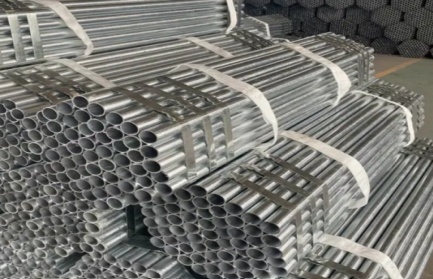
One of the biggest reasons standardized scaffold tube remains important is compatibility. On many sites around the world, scaffolding systems use tube-and-fitting arrangements that depend on reliable outer diameter, wall thickness, and structural consistency. If tubes vary too much, the entire assembly process becomes harder to manage.
Compatibility affects:
· Fitting connection quality
· Ease of assembly
· System stability
· Replacement planning
· Inventory consistency
· Multi-project reuse
For distributors and contractors, compatible materials simplify operations. They reduce the complications that come from mixing inconsistent stock. For project teams, compatible tube dimensions make installation more predictable and reduce avoidable site delays.
At Tianjin Friend Steel Group, we see compatibility as one of the most practical forms of value. A product is not truly useful just because it can be manufactured. It must work smoothly within the systems customers already use in the field.
When people discuss scaffolding tube, they often focus on standard, diameter, and thickness. Those points are critical, but surface quality and manufacturing consistency also deserve attention. A tube used in construction must perform not only structurally but operationally. It needs to be handled, clamped, stored, moved, and in many cases reused repeatedly.
Consistent manufacturing helps support:
· Better visual and dimensional uniformity
· Improved fitting engagement
· Easier site inspection
· More predictable stock management
· Reduced issues during installation
Surface condition matters too, because it affects both appearance and service behavior. A tube intended for scaffolding should present a finish appropriate for project handling and practical use. In export markets especially, buyers often pay close attention to whether the material appears reliable, well-produced, and ready for professional application.
Construction materials are always judged twice. First, they are judged on the specification sheet. Then they are judged on the jobsite. The second test is the more demanding one.
Scaffolding tubes face real-world stress from rain, dust, temperature change, impact, stacking, fastening pressure, and repeated movement. A product that performs well only in theory will not satisfy long-term buyers. This is why durability remains central to global demand for EN39 4mm scaffolding tube.
The 4mm wall construction contributes to a stronger working profile for customers who need dependable repeated use. This matters not only in large contractors’ fleets but also in stockists, importers, and scaffold service businesses that supply many projects over time. The better a product holds up through use cycles, the better its long-term commercial value.
Global buyers typically evaluate scaffolding tube with a combination of technical and commercial priorities. They may begin with dimensions and standard compliance, but they also look deeper into production reliability, packing, shipment consistency, and supplier responsiveness.
In our experience, buyers usually pay close attention to the following points:
Buyer Concern | Why It Matters |
Standard alignment | Helps with confidence in project use and documentation |
Wall thickness consistency | Supports predictable performance in scaffold systems |
Dimensional accuracy | Important for fitting compatibility and site assembly |
Material reliability | Reduces concerns about premature damage or poor service life |
Supply stability | Important for ongoing projects and repeat purchase planning |
Export readiness | Supports smoother international trade and delivery |
A good scaffolding tube supplier must understand that the product is part of a larger chain of responsibility. Construction buyers are not purchasing steel in isolation. They are purchasing site confidence, planning reliability, and reduced operational uncertainty.
In conclusion, EN39 4mm Scaffolding Tube continues to meet global construction requirements because it brings together recognized standard compliance, dependable structural strength, strong compatibility, and long-term durability for demanding jobsite use. For contractors, distributors, and project buyers, it offers more than a basic steel product. It provides confidence in safety, consistency in assembly, and reliability across a wide range of construction and industrial applications. At Tianjin Friend Steel Group, we believe that well-made scaffolding materials should support both technical requirements and practical on-site performance. For buyers seeking a trusted solution for international projects, EN39 4mm Scaffolding Tube remains a strong and dependable choice. To learn more about suitable scaffolding tube options for your market or project needs, you are welcome to contact Tianjin Friend Steel Group.
It is widely recognized for scaffolding use, offers dependable wall thickness, and supports compatibility, durability, and clearer compliance communication across international markets.
The 4mm thickness contributes to strength, resistance to handling damage, and better long-term performance in demanding scaffold applications.
It is commonly used in building construction, infrastructure work, industrial maintenance, commercial developments, marine environments, and scaffold rental systems.
It helps by supporting fitting compatibility, predictable assembly, reliable performance, and easier stock standardization for contractors and distributors.
