
Views: 0 Author: Site Editor Publish Time: 2026-02-13 Origin: Site


Scaffolding frames are essential components in construction and renovation projects, providing stable and safe platforms for workers to perform tasks at height. They support not only workers but also materials, tools, and equipment, making them a crucial element for ensuring safety and productivity. Choosing the right scaffolding frame is vital for project success, as it directly impacts the stability, load capacity, and overall efficiency of the worksite. The right frame helps minimize risks of accidents, ensures compliance with safety regulations, and supports smooth operations throughout the construction or renovation process. With various types, materials, and load capacities to consider, selecting the appropriate scaffolding is key to achieving both safety and efficiency in any project.
Fixed scaffolding frames are the most robust and stable option, making them ideal for large, long-term construction projects. These frames are designed to provide strong support for heavy loads and are typically anchored to the building or the ground, offering excellent stability. Fixed frames are used in projects such as high-rise buildings, bridges, or industrial plants, where a permanent or semi-permanent structure is required. They can support a significant amount of weight but may take more time to assemble and disassemble compared to other types.
Adjustable scaffolding frames offer flexibility, making them ideal for uneven surfaces or varying heights. These frames feature adjustable components that allow for height modifications, ensuring the scaffolding remains level even on sloped or irregular terrain. Adjustable frames are often used for projects that involve complex or non-standard structures, such as renovations or maintenance of older buildings. Their adaptability allows them to fit a variety of construction needs, but they may not support the same heavy loads as fixed frames.
Folding scaffolding frames are designed for temporary use and are lightweight and portable, making them perfect for small-scale projects or short-term tasks. These frames can be easily assembled and disassembled, making them convenient for tasks like home repairs, painting, or minor construction work. Although they are less durable than other types, folding frames are ideal when mobility and ease of storage are important factors. They are not suitable for large-scale projects that require significant weight-bearing capacity.
Mobile scaffolding frames come equipped with wheels or sliding mechanisms, allowing them to be easily moved from one location to another. This makes them perfect for tasks that require frequent repositioning, such as maintenance or installation work in large factories or warehouses. Mobile frames offer the advantage of portability and can be set up quickly without the need for disassembly. However, they may not provide the same level of stability as fixed frames, especially when working at great heights or with heavy loads.
The best scaffolding frame for a project depends on several factors, including the project’s scale, load requirements, and the site’s conditions. Fixed frames are ideal for large, heavy-duty projects, while adjustable frames offer flexibility for uneven surfaces. Folding frames are best for temporary, light-duty tasks, and mobile frames are perfect when mobility and ease of movement are essential. Consider the project’s specific needs and the environment to select the most appropriate type of scaffolding frame.
When choosing scaffolding, it’s crucial to calculate the total weight the frame will support. This includes the weight of workers, materials, tools, and equipment. Consider the number of workers, their average weight, and materials like bricks or machinery. Also, account for dynamic loads, such as moving workers or equipment, which may increase pressure on the scaffolding.
Scaffolding frames are classified by load capacity to meet the strength requirements of various tasks:
Light-Duty Frames (Class 1): Support up to 225 kg/m², suitable for residential and light commercial projects with workers, tools, and light materials.
Medium-Duty Frames (Class 2): Support up to 450 kg/m², used in larger commercial tasks with heavier materials and equipment.
Heavy-Duty Frames (Class 3): Support up to 725 kg/m², for large construction or industrial projects requiring high load capacity.
To choose the appropriate load capacity, consider:
Project Type: Light-duty for residential, heavy-duty for large-scale industrial projects.
Weight of Materials: Factor in both static loads (stationary) and dynamic loads (moving workers or equipment).
Number of Workers: Include the total weight of workers, tools, and machinery.
Environmental Conditions: Windy or exposed conditions may require a higher load capacity for stability.
Several international safety standards ensure scaffolding is used safely:
EN 12811 (European Standard): Defines requirements for scaffolding design, structure, and safety.
ANSI (American National Standards Institute): Establishes U.S. scaffolding safety standards, including load capacity and material requirements.
OSHA (Occupational Safety and Health Administration): U.S. regulations focusing on scaffolding installation, load limits, and fall protection.
These standards ensure scaffolding structures are strong, stable, and safe for workers.
Compliance with safety standards is essential to prevent accidents. Meeting guidelines like EN 12811, ANSI, and OSHA ensures scaffolding is properly designed, built, and maintained. Regular inspections and certifications confirm safety. Failure to comply can result in legal issues or accidents.
To ensure worker safety on scaffolding:
Proper Installation: Set up scaffolding on stable, level ground with secure anchors and braces.
Fall Protection: Use guardrails, safety nets, or harnesses for fall prevention.
Load Limits: Never exceed the specified load capacity to avoid structural failure.
Training: Ensure workers are trained in scaffolding safety, including proper use and emergency procedures.
Inspection: Inspect scaffolding for stability before and during use.
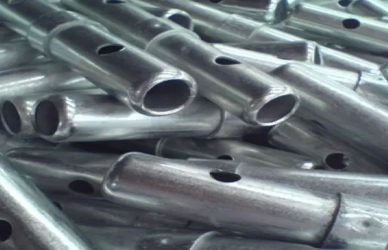
Scaffolding frames are typically made from the following materials:
Steel: Known for its strength and durability, steel is ideal for large-scale projects that require heavy load-bearing capacity.
Aluminum: Lighter than steel, aluminum is used for projects where portability and ease of transport are essential. It is corrosion-resistant but less load-bearing than steel.
Wood: Used for light-duty, temporary projects, wood is not as durable as metal options and is more susceptible to weathering and pests.
The durability of scaffolding depends on the material used and the environmental conditions. Steel is highly durable and well-suited for heavy-duty projects but may rust if exposed to moisture. Aluminum, while lighter and corrosion-resistant, isn’t suitable for high-load applications. Wood is best for short-term, low-load tasks and may not withstand harsh weather conditions. Choose materials based on the expected weather (e.g., humid, coastal areas) and the project’s duration to ensure the scaffolding remains safe and functional.
Surface treatments are crucial for enhancing the durability of scaffolding:
Galvanization: Coating steel with zinc helps prevent rust and corrosion, especially in outdoor or coastal environments.
Powder Coating: Adds an extra layer of protection against corrosion, UV damage, and wear.
Painting: While less effective than galvanization, painting can provide some level of protection in mild conditions.
Regular inspections are crucial to ensure scaffolding’s safety and integrity. Key areas to check include:
Frame Stability: Ensure all parts are securely fastened with no loose components.
Surface Condition: Look for rust, corrosion, or cracks, especially on metal frames.
Support Structures: Check braces and cross braces for wear or damage.
Safety Features: Ensure guardrails and ladders meet safety standards.
Frequent inspections help identify potential issues early, preventing accidents.
To maintain scaffolding:
Cleaning: Remove dirt, debris, and corrosive substances to prevent damage.
Lubrication: Lubricate moving parts like joints and couplers to ensure smooth function.
Replacing Worn-out Parts: Replace damaged or worn components to maintain safety.
These steps ensure scaffolding remains safe and functional.
To extend the lifespan of scaffolding:
Proper Storage: Store scaffolding in dry, sheltered areas when not in use.
Regular Upkeep: Periodically inspect scaffolding, even when idle.
Environmental Factors: Use corrosion-resistant materials and apply protective coatings in harsh environments.
Consider the weight of workers, materials, tools, and equipment. Ensure the frame supports both static and dynamic loads.
Light-duty frames (Class 1) support up to 225 kg/m² for light projects. Heavy-duty frames (Class 3) support up to 725 kg/m² for large, industrial projects.
Yes, if properly maintained and inspected, scaffolding frames can be reused for different projects, ensuring safety and load capacity requirements are met.
Check for compliance with standards like EN 12811, ANSI, or OSHA, and ensure regular inspections and certifications are performed.
Selecting the right scaffolding frame is crucial for the success of construction and renovation projects. Key factors to consider include the type of frame (fixed, adjustable, folding, or mobile), the load capacity required for the task, adherence to safety standards, and the durability of materials used. Regular inspections and proper maintenance are essential for ensuring the scaffolding remains safe and functional throughout the project. Additionally, choosing the right frame based on project size, environmental conditions, and material durability will help optimize safety, efficiency, and longevity. By considering these factors, you can ensure that your scaffolding setup supports both workers and materials securely, reducing risks and enhancing overall project performance.
