
Views: 0 Author: Site Editor Publish Time: 2026-02-11 Origin: Site


Scaffolding frames are crucial components in construction and renovation projects, providing essential support for workers, materials, and tools at elevated heights. Their durability directly impacts the safety and efficiency of a project, ensuring that the structure remains stable throughout the construction or renovation process. Selecting the right scaffolding frame involves understanding how material quality, coating options, and maintenance practices contribute to long-term performance. A durable frame not only reduces the risk of accidents but also enhances productivity by minimizing downtime due to repairs or replacements. In this article, we will explore the key factors that affect scaffolding frame durability, including the choice of materials, coating methods, and the importance of regular maintenance to ensure a safe and effective scaffolding system for any project.
Steel is the most widely used material for scaffolding frames due to its strength, durability, and excellent load-bearing capacity. Steel frames are capable of supporting heavy loads, making them ideal for large-scale construction and industrial projects. They provide excellent structural stability and can withstand harsh working conditions. However, steel is prone to corrosion if not properly treated or maintained, particularly in outdoor or humid environments.
Aluminum frames are lightweight and highly resistant to corrosion, making them suitable for projects that require easy mobility and resistance to environmental factors. They are particularly useful in smaller or temporary scaffolding applications, such as for maintenance or short-term projects. While aluminum is corrosion-resistant and easy to handle, it has lower strength compared to steel and may not be suitable for heavy-duty tasks or high-load applications.
Wood scaffolding frames are generally used for light-duty, temporary applications, such as in residential construction or minor repairs. While they are less expensive and easier to assemble, wood frames are not as durable or strong as metal frames. They are highly susceptible to weathering, rot, and pests, which limits their use in long-term or heavy-duty projects. Wood frames are typically used in situations where short-term use is required, and durability is not the primary concern.
Hot-dip galvanizing is a popular method for protecting steel scaffolding from corrosion. In this process, steel is coated with a layer of zinc, which serves as a protective barrier against moisture, rust, and environmental wear. Galvanized steel scaffolding is highly durable and ideal for outdoor use, particularly in coastal or humid environments where exposure to moisture increases the risk of corrosion. This coating extends the lifespan of steel frames significantly and requires less maintenance compared to untreated steel.
Powder coating involves applying a dry powder that is then cured with heat to form a protective layer over scaffolding frames. This coating provides excellent resistance to corrosion, UV damage, and wear, making it a good choice for scaffolding that will be exposed to the elements. Powder-coated frames are more resistant to scratches and fading, ensuring they maintain their appearance and function over time. However, while durable, powder coating may not offer the same level of protection as galvanization in highly corrosive environments.
Painting is a basic coating option that provides some protection against corrosion, particularly in mild or controlled environments. While not as durable as galvanization or powder coating, paint can help protect scaffolding frames from rust and wear when used in indoor or dry conditions. However, painted frames require regular maintenance to touch up areas where the coating has worn off or chipped, especially in areas exposed to moisture or heavy use.
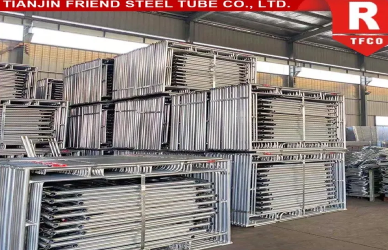
The environment in which scaffolding is used plays a significant role in its durability. Exposure to extreme weather conditions like high humidity, strong winds, and temperature fluctuations can accelerate wear and tear. Coastal areas with salty air, for example, can cause corrosion on metal scaffolding frames, while high humidity can lead to rust. Similarly, extreme temperatures can cause materials like wood to expand or contract, leading to cracks or weakening. Scaffolding frames in such conditions require materials with enhanced resistance, such as galvanized steel or aluminum, to ensure long-term performance.
Regular maintenance is crucial to extending the life of scaffolding frames. This includes routine cleaning to remove debris, dirt, and corrosive substances that could cause material degradation. Lubricating moving parts, such as couplers and joints, ensures smooth operation and prevents rust. Inspections should be carried out to check for structural damage, corrosion, or any loose components. By keeping scaffolding well-maintained, you reduce the risk of accidents and ensure that the frame continues to perform reliably throughout the project.
Proper storage and handling significantly extend the lifespan of scaffolding frames. When not in use, scaffolding should be stored in a dry, sheltered location to prevent exposure to rain, humidity, or direct sunlight. Frames should be stacked neatly and not placed in a way that could cause bending or damage. Proper handling during transport is also important to avoid unnecessary stress on the frame, which could lead to cracks or bends. Correct storage and careful handling preserve the structural integrity and appearance of scaffolding for future use.
The frequency and type of use affect the lifespan of scaffolding frames. Frames used frequently in harsh conditions or for heavy-duty projects will experience more wear compared to those used in lighter applications. For example, scaffolding frames used in industrial construction or exposed to high traffic will need to be inspected and maintained more often. Similarly, frames used intermittently or for light-duty tasks will generally last longer but still require periodic checks to ensure continued safety and performance.
For large-scale, heavy-duty projects, steel frames with galvanization or powder coating are the ideal choice. Steel provides the necessary strength and stability to support heavy loads, making it well-suited for industrial, high-rise construction, or projects that require scaffolding to bear significant weight. The galvanization process, where the steel is coated with a layer of zinc, offers superior corrosion resistance, ensuring the frame can withstand outdoor conditions and moisture. Powder coating adds an extra layer of protection, preventing rust, UV damage, and wear. These coatings not only enhance durability but also ensure the scaffolding maintains its integrity in harsh environments, reducing the need for frequent maintenance or replacements.
For projects that require portability and moderate strength, such as maintenance work or smaller commercial tasks, aluminum frames with powder coating strike the perfect balance between strength, weight, and corrosion resistance. Aluminum is much lighter than steel, making it easier to transport and set up, ideal for short-term or mobile applications. It is also naturally resistant to corrosion, making it a good choice for environments exposed to moisture, though its load-bearing capacity is lower than steel. The powder coating further enhances its durability, providing a protective layer against environmental factors and wear, ensuring long-lasting performance in moderate-duty applications.
For light-duty or temporary tasks, such as home repairs or low-scale construction, wood frames with minimal coatings are often the most cost-effective option. Wood scaffolding is typically used for projects that don’t require heavy-duty strength, and it is often preferred for short-term use due to its low cost and ease of setup. However, while wood scaffolds are suitable for light-duty work, they are more vulnerable to weathering, pests, and wear over time. As a result, they require more frequent inspections and maintenance to ensure safety. Additionally, wood scaffolding is not ideal for long-term use or in environments that are exposed to moisture, as it can deteriorate more quickly than metal scaffolds. While these frames are a practical choice for short-term, light-duty projects, their durability is limited, and they require more attention to maintain safety.
Steel frames are strong and durable but need protection from corrosion. Aluminum frames are lightweight and corrosion-resistant but have lower strength. Wood frames are used for short-term tasks and are vulnerable to weathering.
Galvanization provides the best protection against corrosion in outdoor environments. Powder coating offers excellent resistance to corrosion, UV damage, and wear. Painting offers basic protection but is less durable than other coatings.
Scaffolding should be inspected regularly, especially after heavy use or extreme weather conditions. Key areas to check include joints, couplers, surface conditions, and structural integrity to ensure safety and reliability.
Yes, scaffolding frames should be stored in a dry, sheltered area, away from harsh weather conditions. Proper handling and stacking prevent bending or damage, ensuring the frames remain in good condition for future use.
The durability of scaffolding frames is influenced by several key factors, including the quality of the material, the type of coating applied, and the conditions in which the scaffolding is used. Steel frames offer strength and load-bearing capacity but require proper coatings, like galvanization or powder coating, to prevent corrosion. Aluminum frames are lightweight and corrosion-resistant, making them ideal for portable applications, though they are not as strong as steel. Wood frames are best for temporary use but are vulnerable to weathering and wear. Regular maintenance, proper storage, and consideration of environmental factors are essential for extending the life of scaffolding. To ensure long-term performance, it’s important to choose the right material and coating based on the specific demands of the project, such as using galvanized or powder-coated steel for heavy-duty work or aluminum for light, portable applications. Proper selection and care will ensure scaffolding frames perform safely and efficiently throughout their lifespan.
