
Views: 388 Author: Site Editor Publish Time: 2026-03-31 Origin: Site


Scaffolding frames are essential components in the construction and industrial sectors, providing temporary support structures that ensure the safety and accessibility of workers and materials at elevated heights. These frames are used to create platforms for tasks such as building, maintenance, painting, and repairs, enabling workers to access difficult-to-reach areas safely. In construction, scaffolding frames play a pivotal role in providing stability, supporting heavy materials, and ensuring that work can be performed efficiently without compromising safety. When choosing scaffolding frames, several key considerations must be taken into account, including the type of frame, load capacity, material durability, and compliance with safety standards. It’s crucial to select the right scaffolding to match the specific needs of the project, as the wrong choice can lead to safety hazards and inefficiencies during construction.
Fixed scaffolding frames are the most commonly used type in construction, characterized by their robust and stable structure. These frames are made of steel or other durable materials and are designed for long-term use in both residential and commercial buildings. Fixed frames are usually connected to the building structure or ground, ensuring a secure platform for workers and materials. They are suitable for large-scale projects that require substantial support, such as high-rise buildings, bridges, or factories. The major advantage of fixed frames is their stability and ability to handle heavy loads, but they require more time to set up and take down compared to other types of scaffolding.
Adjustable scaffolding frames offer flexibility and adaptability, making them ideal for uneven ground or surfaces. These frames feature height-adjustable components, allowing the scaffolding to be set up at different levels to accommodate varying work conditions. They are particularly useful when working on complex or irregularly shaped structures. The ability to adjust the frame's height makes them perfect for projects where scaffolding needs to be repositioned or adjusted frequently. They provide a higher level of convenience and efficiency, especially when working in areas that require precise height control, such as maintenance or restoration work. However, they may not be as stable as fixed frames when subjected to heavy loads.
Folding scaffolding frames are designed for temporary or short-term use, making them ideal for smaller projects or areas that require quick assembly and disassembly. These frames are lightweight and portable, allowing them to be easily transported between job sites. Folding frames are typically used for tasks like home repairs, painting, or small-scale construction projects. Their compact design makes them easy to store when not in use. While they provide convenience and mobility, they are generally less durable and may not support heavy loads or prolonged use in larger-scale projects.
Mobile scaffolding frames are equipped with wheels or sliding mechanisms, allowing them to be easily moved from one location to another without the need to disassemble or reassemble the structure. These frames are especially useful in environments where mobility is essential, such as warehouses, factories, or large construction sites. Mobile frames are perfect for tasks that require scaffolding to be moved frequently, such as equipment maintenance or installation work. The primary advantage of mobile scaffolds is their mobility, but they may not be as stable as fixed frames and require careful use, especially when working at height.
Each type of scaffolding frame has its advantages and is suited to different types of projects. Fixed frames are best for large, heavy-duty projects that require stability and long-term use. Adjustable frames provide flexibility and precision, making them ideal for complex or uneven structures. Folding frames offer portability and convenience, though they are typically suited for lighter, temporary tasks. Mobile frames offer mobility, making them ideal for dynamic work environments, but they may sacrifice some stability. When selecting a scaffolding frame, it is essential to consider factors such as load requirements, project duration, and the environment in which the scaffolding will be used.
Load capacity refers to the maximum weight a scaffolding frame can safely support. It ensures the safety of workers and materials on a construction site. Insufficient load capacity can lead to collapses, causing injuries or project delays. Load capacity depends on the frame material, design, and intended use, playing a key role in maintaining a safe work environment.
International standards like EN 1004 (Europe) and OSHA (USA) define load classifications:
Light Duty (Class 1): Up to 225 kg/m², for residential and light commercial projects.
Medium Duty (Class 2): Up to 450 kg/m², for commercial and some industrial tasks.
Heavy Duty (Class 3): Up to 725 kg/m², for large-scale or industrial projects.
Special Duty: For projects requiring higher load capacities.
These categories ensure scaffolding frames meet safety requirements for various projects.
When selecting the right load capacity, consider:
Project Type: Light-duty frames for residential work, heavy-duty for large industrial projects.
Weight of Materials: Ensure the frame supports both static and dynamic loads.
Number of Workers: Account for workers, tools, and equipment.
Environmental Conditions: Exposed areas may require higher load capacity due to wind or vibrations.
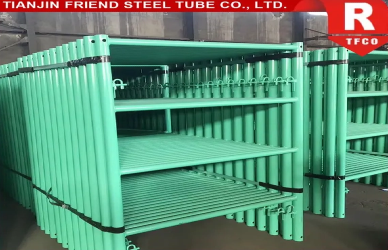
Several international safety standards ensure the safe use of scaffolding, covering design, construction, and usage to prevent accidents. Key standards include:
EN 12811 (European Standard): Specifies scaffolding requirements, including design, strength, stability, and safety measures.
ANSI (American National Standards Institute): Sets U.S. scaffolding safety standards focusing on design and structural integrity.
OSHA (Occupational Safety and Health Administration): Provides U.S. regulations on safe scaffolding installation, load capacities, and worker safety.
These standards ensure scaffolding is strong enough to handle loads and provides a safe working environment.
To ensure safe use, follow manufacturer guidelines and safety standards. Key practices include:
Proper Installation: Install scaffolding on stable, level ground with secure bases.
Worker Safety: Use fall protection like guardrails, harnesses, or safety nets, especially at height.
Load Limits: Never exceed the specified load capacity, and ensure the weight of workers, materials, and equipment is within safe limits.
Qualified professionals should conduct regular inspections to check for any weaknesses or damage.
Regular maintenance and inspection are essential to prevent accidents and prolong the lifespan of scaffolding. Key actions include:
Visual Inspections: Check for damage, corrosion, or wear, especially after extreme weather or heavy use.
Component Check: Ensure all parts like couplers and bolts are secure and in good condition.
Periodic Inspections: Conduct thorough inspections regularly, especially for long-term or harsh environment use.
Cleaning and Lubrication: Clean scaffolding and lubricate moving parts to prevent rust and ensure smooth operation.
Scaffolding frames are made from various materials, each suited for specific needs:
Steel: The most common material, known for its high strength and stability, ideal for large-scale, industrial projects.
Aluminum Alloy: Lighter than steel, offering portability for smaller or temporary projects but with lower load capacity.
Wood: Used for low-load, temporary scaffolding but less durable than metal options.
The choice of material depends on the project’s requirements for strength, weight, and duration.
The durability of scaffolding frames is influenced by the material used:
Steel: Extremely durable but prone to rust unless treated.
Aluminum Alloy: Corrosion-resistant, ideal for humid or coastal environments, but not as strong as steel.
Wood: Less durable, susceptible to weathering and pests, usually for light-duty, temporary projects.
Choosing the right material ensures scaffolding can withstand the demands of the project and environment.
Surface treatments extend the lifespan of scaffolding, particularly steel:
Hot-Dip Galvanizing: Coating steel with zinc for excellent corrosion resistance, especially in outdoor or coastal areas.
Powder Coating: Provides a protective layer against corrosion, UV damage, and wear.
Painting: Offers some protection but less durable than galvanizing or powder coating.
These treatments enhance durability, reduce maintenance, and improve safety.
Explanation of the maximum load capacity of different types of scaffolding frames and factors to consider when choosing.
Frequency of inspections and key aspects to check for safety.
Differences in the application of scaffolding frames in residential versus commercial construction projects.
Important considerations such as load capacity, frame type, environmental factors, and project requirements.
When selecting scaffolding frames, it's essential to consider several key factors to ensure safety, efficiency, and durability. First, the type of scaffolding frame should match the project's scale and requirements—whether you need fixed, adjustable, folding, or mobile frames. Load capacity is crucial, as the chosen frame must support the weight of workers, materials, and equipment without exceeding safety limits. Adhering to safety standards and regulations ensures that the scaffolding setup meets legal requirements and provides a safe working environment. Lastly, the material durability plays a significant role, as materials like steel, aluminum, and wood offer different levels of strength, corrosion resistance, and longevity. By carefully evaluating these factors, you can select the right scaffolding frame for your project, minimizing risks and optimizing performance.
