
Views: 240 Author: Site Editor Publish Time: 2026-04-27 Origin: Site


In construction and industrial environments, safe access between different working levels is critical. Among the many components used in scaffolding systems, the galvanized painted scaffolding ladder plays a vital role in ensuring that workers can move efficiently and safely. From our experience working with contractors and project managers across various sites, we have seen that ladder-related safety issues are often underestimated until an incident occurs.
A well-designed scaffolding ladder provides stability, durability, and resistance to harsh environmental conditions. However, even the best ladder cannot guarantee safety without proper inspection, installation, and usage. That is why having a clear and practical safety checklist is essential for maintaining a safe working environment. In this article, we will guide you through a comprehensive scaffolding ladder safety checklist, explain key safety considerations, and highlight how galvanized painted scaffolding ladders contribute to safer access between levels.
Scaffolding systems are widely used in construction, maintenance, and industrial projects. Workers frequently move between levels, often carrying tools or materials. In such conditions, ladders become a primary access point—and a potential risk if not properly managed.
Common risks include:
· Slipping due to poor surface conditions
· Structural instability
· Improper installation
· Corrosion or material failure
From our perspective, most accidents are not caused by product defects but by improper usage or lack of inspection. A structured safety approach can significantly reduce these risks.
A galvanized painted scaffolding ladder is a specialized access ladder designed for integration into scaffolding systems used in construction, maintenance, and industrial environments. Unlike standard ladders, these are engineered to meet the demands of heavy-duty worksites where safety, durability, and reliability are essential.
These ladders typically feature:
· Galvanized steel construction for strong corrosion resistance, especially in outdoor or humid environments
· Painted surface coating that adds an extra layer of protection while improving visibility on busy job sites
· High load-bearing capacity to support workers and tools during operation
· Anti-slip rungs that enhance grip and reduce the risk of slipping during climbing
From our experience, the combination of galvanization and painting not only extends the service life of the ladder but also ensures consistent performance in challenging conditions such as rain, dust, and temperature fluctuations.
These ladders are commonly used in:
· Construction scaffolding systems
· Industrial maintenance platforms
· Infrastructure projects
· Outdoor work environments
Their design focuses on providing safe, stable, and efficient access between different working levels, which is a critical requirement for any scaffolding structure.
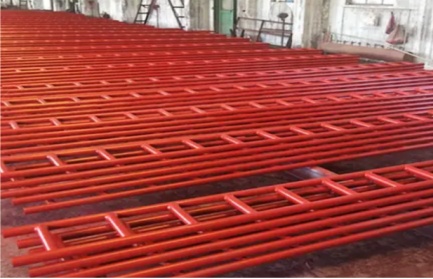
To ensure safe access between levels, it is essential to follow a structured safety checklist both before and during ladder use. Even a high-quality galvanized painted scaffolding ladder requires proper handling and inspection to maintain safety standards on site.
Before using any scaffolding ladder, a thorough inspection should always be carried out. This step is critical for identifying potential hazards before they lead to accidents.
Checklist Items:
· Check for visible damage such as cracks, bends, or deformation in the ladder frame
· Ensure all rungs are intact, securely fixed, and free from looseness
· Verify that the ladder surface is clean and free of oil, grease, or debris
· Confirm that protective coatings (galvanization and paint) are not excessively worn or damaged
In addition, it is good practice to inspect connection points where the ladder attaches to the scaffolding. From our experience, early detection of small defects can prevent major failures and significantly improve workplace safety.
Proper installation is one of the most important factors in ensuring ladder stability. Even a well-manufactured ladder can become unsafe if it is not correctly positioned or secured.
Key Considerations:
· Ensure the ladder is firmly attached to the scaffolding structure using appropriate fixing methods
· Maintain the correct climbing angle to provide stability and ease of use
· Avoid placing the ladder on uneven, unstable, or soft surfaces
· Ensure there is sufficient clearance at both the top and bottom for safe entry and exit
From our perspective, incorrect positioning is a leading cause of ladder-related incidents. Taking the time to install the ladder properly greatly reduces risk and improves overall efficiency on site.
Every scaffolding ladder is designed with a specific load capacity, and exceeding this limit can compromise its structural integrity.
Safety Guidelines:
· Do not exceed the maximum load rating specified by the manufacturer
· Avoid carrying heavy or bulky materials while climbing
· Always maintain three points of contact (two hands and one foot, or two feet and one hand)
· Allow only one person on the ladder at a time unless it is specifically designed for multiple users
Overloading not only increases the risk of ladder failure but also places additional stress on the scaffolding structure. From our experience, maintaining proper usage habits is just as important as selecting a high-quality ladder.
Worksite conditions can significantly impact ladder safety, especially in outdoor or industrial environments.
Important Factors to Monitor:
· Wet or slippery surfaces caused by rain, oil, or dust
· Strong winds that may affect balance and stability
· Poor lighting conditions that reduce visibility
· Extreme temperatures that may affect material performance
Although galvanized painted scaffolding ladders are designed to resist corrosion and environmental wear, external conditions still require careful attention. For example, even anti-slip rungs can become hazardous if covered in water or grease.
From our experience, regularly assessing environmental conditions before and during use is essential for maintaining a safe working environment.
Regular maintenance is key to ensuring the long-term performance and safety of scaffolding ladders. A well-maintained ladder not only lasts longer but also performs more reliably under demanding conditions.
Maintenance Checklist:
· Clean the ladder regularly to remove dirt, debris, and contaminants
· Inspect coatings for signs of corrosion, peeling, or wear
· Store the ladder in a dry and protected area when not in use
· Replace any damaged or worn components immediately
Proper storage is often overlooked but plays a critical role in preventing unnecessary damage. Exposure to moisture, chemicals, or direct sunlight over long periods can degrade materials and reduce the effectiveness of protective coatings.
From our perspective, consistent maintenance routines help reduce replacement costs, minimize downtime, and ensure that the ladder remains safe for daily use.
A galvanized painted scaffolding ladder is designed to provide safe and reliable access in demanding environments, but its effectiveness depends on proper inspection, installation, and maintenance. By following a structured safety checklist, users can significantly reduce risks and improve operational efficiency.
From our experience working with scaffolding systems, safety is not achieved through equipment alone—it is the result of combining high-quality products with responsible usage practices. Regular inspections, proper handling, and awareness of environmental conditions all contribute to a safer workplace.
Implementing these practices ensures that your scaffolding ladder not only performs well but also supports a secure and productive working environment over the long term.
Safety Area | Key Actions | Purpose |
Inspection | Check for damage and wear | Prevent accidents |
Installation | Secure positioning | Ensure stability |
Load Control | Follow weight limits | Avoid structural failure |
Environment | Monitor conditions | Reduce external risks |
Maintenance | Regular cleaning and checks | Extend lifespan |
Galvanization protects the steel from rust, making it suitable for outdoor use and humid environments.
The combination of galvanized coating and paint increases resistance to wear and environmental damage.
Painted surfaces improve visibility on construction sites, reducing the risk of accidental misuse.
These ladders are designed for repeated use in demanding conditions, reducing replacement frequency.
A galvanized painted scaffolding ladder is an essential component for safe access between levels in construction and industrial environments. However, its effectiveness depends on proper inspection, installation, and maintenance. By following a structured safety checklist, you can reduce risks, improve efficiency, and create a safer working environment for your team.
From our perspective as a manufacturer and supplier, we believe that safety starts with both reliable products and proper usage practices. High-quality scaffolding ladders, combined with responsible handling, can significantly reduce workplace incidents. If you are looking for durable and reliable scaffolding ladder solutions or want to learn more about product specifications and applications, you can explore further with Tianjin Friend Steel Group. Their experience in steel products and scaffolding systems can help support your project needs with practical and dependable solutions.
It is used to provide safe access between different levels in scaffolding systems, especially in construction and industrial environments.
Galvanization provides corrosion resistance, making the ladder suitable for outdoor and harsh environments.
Ladders should be inspected before each use and regularly maintained to ensure safety.
Always maintain three points of contact and never exceed the ladder’s load capacity.
