
Views: 226 Author: Site Editor Publish Time: 2026-03-06 Origin: Site


Infrastructure projects move quickly, but site exposure never stops. Rain, dust, concrete splash, and long outdoor cycles all put pressure on access equipment. That is why choosing the right Scaffolding Frame matters from the start. It is not only about structural support. It is also about durability, work efficiency, and surface protection. Painted and galvanized frame systems each offer clear value in different conditions. In this article, we explore how the right finish can improve safety, reduce maintenance, support reuse, and help contractors choose a smarter Scaffolding Frame solution for roads, bridges, utilities, and other large infrastructure projects.
Infrastructure crews rarely stay in one fixed zone. They shift from abutments to drainage lines, from utility edges to finishing sections. A modular Scaffolding Frame helps them build stable access points, move materials, and keep trades flowing in sequence. Frame systems are widely used as temporary support platforms for height work, and TFCO describes them as common for repair, maintenance, and related site activity. That makes them a practical fit for bridge touch-ups, municipal upgrades, and transport corridor work where speed and repeat setup matter.
A finish is not just about appearance. It affects how a Scaffolding Frame responds to moisture, air pollutants, handling wear, and storage cycles. Zinc coatings protect steel because zinc corrodes before the underlying steel, which is why galvanizing is often selected for corrosive exposure. Paint also has clear value, especially where buyers want budget control, visible color coding, or project-specific presentation. In practice, the finish changes maintenance rhythm, reuse potential, and how well the frame keeps its condition across repeated infrastructure jobs.
The strongest value appears in places where steel meets weather every day. Think road widening, bridge edge access, culvert work, public utility service runs, and station upgrades. These jobs often include wet concrete, splash zones, dust, and long staging periods. In those conditions, the surface on a Scaffolding Frame directly affects upkeep and service stability. TFCO highlights both painted and galvanized frame options, which fits the way contractors buy for different site exposures rather than one universal finish for every project.
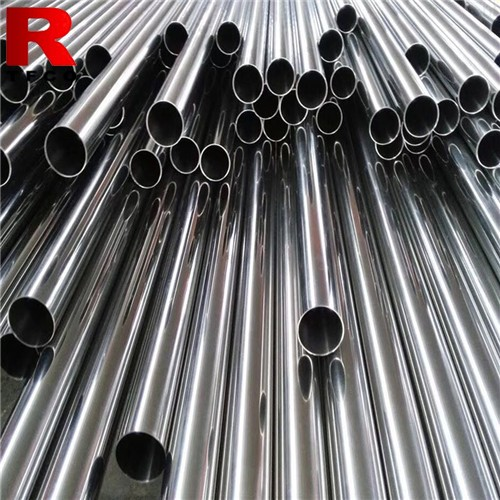
A galvanized Scaffolding Frame is a strong choice when the site stays wet, humid, coastal, or pollution-heavy. The zinc layer acts as a barrier and also offers sacrificial protection, so the steel below stays protected longer when the surface faces damage or weathering. Industry references note that hot-dip galvanizing is used specifically for corrosive environments, and TFCO’s own durability content points to galvanized steel scaffolding as a better fit for outdoor and humid settings. For infrastructure jobs, that helps keep site equipment ready through long exposure cycles.
Less surface repair means better site continuity. Galvanized frames reduce repainting needs and cut the frequency of corrosion-related touch-up work. The American Galvanizers Association notes that galvanized steel has been used for more than 150 years in harsh markets, while other galvanizing references explain that service life rises with coating thickness. Some industry sources cite maintenance-free performance for decades in many environments, though exact duration still depends on exposure severity and coating system. For contractors, that means fewer interruptions and a more dependable reuse cycle.
Many contractors do not buy scaffold only for one job. They build a working fleet. A galvanized Scaffolding Frame supports that model well because it holds value across transport, yard storage, and repeated erection cycles. TFCO offers galvanized frames, cross braces, and multi-style frame systems, which reflects how reusable scaffold fleets are assembled in practice. When the same stock moves from road repair to plant maintenance to bridge works, a durable zinc-protected finish helps keep the fleet more consistent and easier to redeploy.
Tip: If your scaffold moves often between jobs, track finish type by asset tag. It helps align storage, inspection, and maintenance routines.
A painted Scaffolding Frame can be a smart commercial choice when the job stays inland, dry, or shorter in duration. It gives steel a protective finish and a clean appearance, while often supporting a more flexible purchasing plan for project-based demand. TFCO lists painted frames across several scaffold categories, which shows that painted options remain a standard offer in the market, not a niche alternative. When exposure is moderate and turnover is quick, painted frames can support strong value and reliable job performance.
Color matters on complex sites. A painted Scaffolding Frame is easier to group by work zone, contractor package, or phase line. That visual order helps crews move faster and reduces mix-ups during staging, loading, and return to storage. It is especially useful on public works projects where several access points run at once. While galvanizing focuses on corrosion performance, paint can also serve daily site organization. That adds practical value for buyers who want access equipment that supports both protection and operational clarity.
Not every infrastructure site needs maximum corrosion resistance. Some need fast delivery, color visibility, and solid short-to-mid-term performance. In that case, a painted Scaffolding Frame gives buyers more room to balance spend and use case. TFCO’s catalog shows several surface treatments across related scaffold products, which suggests that finish choice is often tied to project strategy. Good buying decisions come from matching the frame to the environment, the schedule, and the expected reuse cycle. Painted frames are often strongest when procurement teams define exposure level early and avoid overbuying protection that the project does not need.
Environment should lead the decision. Dry inland sites often support painted systems well, while marine air, humidity, splash zones, and polluted urban corridors usually favor galvanized protection. Zinc coating guidance stresses that the correct coating must match the service environment because corrosion rate changes by exposure class. That principle matters for every Scaffolding Frame fleet. A buyer who starts from environment usually gets better lifecycle value than one who starts from the lowest visible purchase price.
| Project condition | Painted Scaffolding Frame | Galvanized Scaffolding Frame | Best-use reading for buyers |
|---|---|---|---|
| Dry inland repair corridor | Good fit for short or medium project cycles | Also suitable | Choose based on reuse plan and budget |
| Humid urban utility upgrade | Usable where exposure stays controlled | Strong fit due to zinc protection | Better for longer open-air staging |
| Coastal bridge approach | May need more surface attention | Preferred for corrosive air and moisture | Better lifecycle value in salt-heavy air |
| Tunnel portal or drainage edge | Works where contact is limited | Better for repeated wet exposure | Better fleet stability across cycles |
| Multi-project contractor fleet | Good for selective deployment | Strong for broad reuse strategy | Helps simplify long-term asset planning |
Tip:When two finishes both work, let storage conditions decide. Open-yard storage often pushes the value case closer to galvanized stock.
Maintenance affects ownership cost more than many buyers expect. Galvanized surfaces usually keep a more stable protective layer over time, while painted surfaces can offer clearer visual branding and easier color separation on site. Reuse value depends on how often the frame moves, how it is stored, and how harsh the exposure stays between jobs. For a Scaffolding Frame fleet, the key question is simple: do you want the finish to support fast visual control, long corrosion resistance, or a planned mix of both across asset classes?
Project rhythm changes the answer. A short repair package may reward a painted Scaffolding Frame if the site is controlled and inland. A year-long public works package near water often rewards galvanizing because it reduces maintenance interruption and helps preserve reuse value. TFCO’s available finish range supports this planning logic well because buyers can match the same basic scaffold concept to different surface needs. It is a more strategic approach, and it usually leads to better equipment utilization across the full project calendar.
Tip: Ask suppliers to quote finish options side by side for the same frame geometry. It makes lifecycle thinking much easier during procurement review.
Shape matters almost as much as finish. TFCO lists H frame, door frame, mason frame, ladder frame, and walk-through style options across its scaffold offering. Each layout supports a different access pattern, crew flow, and material path. A Scaffolding Frame chosen for a narrow drainage run may differ from one selected for façade access or repetitive bridge edge work. When the frame type fits the work zone, crews spend less time adapting access and more time finishing the task.
A frame scaffold is a system, not a single item. TFCO notes that one set commonly includes two main frames, two cross braces, and four joint pins. That matters because compatibility shapes erection speed, alignment, and working stability. Buyers should think about braces, pins, decks, and adjacent components together. A well-matched Scaffolding Frame system helps crews assemble faster, inspect faster, and move sections faster as the job advances from one infrastructure zone to the next.
Delays often come from change, not from the original setup. A modular Scaffolding Frame helps crews reposition access as work fronts shift. That is valuable in infrastructure because one day may focus on formwork touch-up, while the next may move to utilities, cladding, or edge finishing. TFCO’s product range emphasizes standard frame systems and accessories, which suits repeat assembly and controlled logistics. On time-sensitive sites, easy repositioning supports productivity and helps reduce idle labor between phases. Frame type, brace pattern, and deck access should be reviewed together during pre-job planning. That is where many efficiency gains begin.
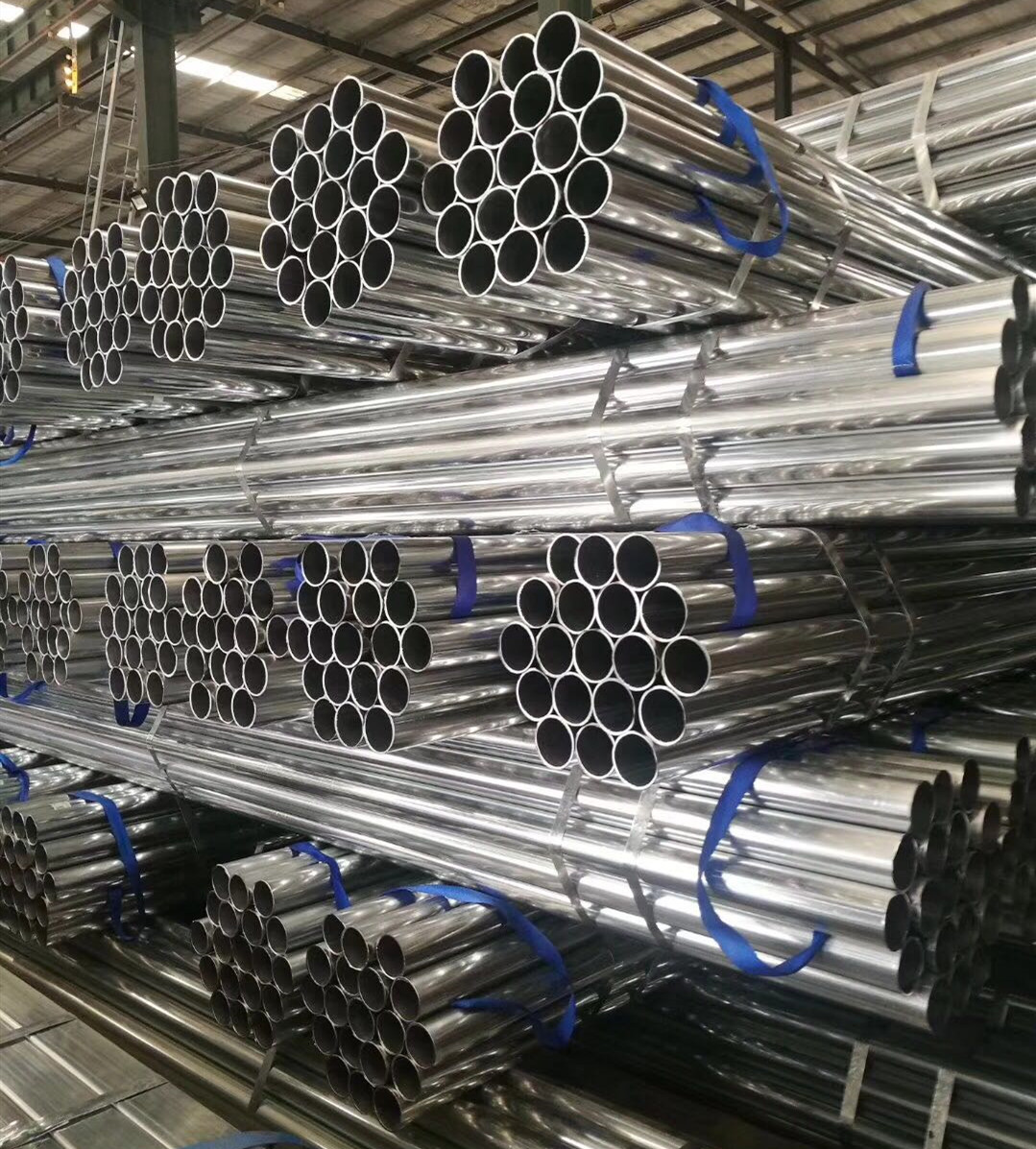
The first check is still exposure. TFCO offers painted, pre-galvanized, electro-galvanized, and powder-coated frame options across related pages. That range is useful because buyers can choose a finish that matches the job instead of forcing one standard on every site. Zinc coating guidance also explains that service life varies by coating type and thickness, so buyers should ask how the finish fits the real environment. For a Scaffolding Frame used in infrastructure, that question directly affects lifecycle cost and asset confidence.
Finish matters, but base quality comes first. TFCO lists scaffold frame materials such as Q235, Q345, and STK500 on related product pages, along with common tube sizes and frame dimensions. It also notes more than 50 professional engineers and emphasizes welding quality and delivery capability. Those details matter because consistent dimensions improve fit-up, while sound welding supports repeat assembly and safe use. Inspection rules from OSHA and Canadian guidance also stress checking scaffold parts for visible defects, damage, and excessive rust before use.
| Review point | What to verify | Example figures from cited product pages | Why it matters on site |
|---|---|---|---|
| Steel grade | Confirm declared base material | Q195, Q235, Q345, STK500 listed on TFCO pages | Helps compare strength class and application fit |
| Main tube size | Check outer tube dimension | 42 mm main tube on cited TFCO frames | Affects rigidity and component matching |
| Inner tube size | Check secondary tube dimension | 25 mm inner tube on cited TFCO frames | Supports frame geometry and connector fit |
| Wall thickness | Compare thickness by model | 1.5 mm, 1.8 mm, 2.0 mm, 2.2 mm, up to 3.0 mm listed across pages | Affects weight, durability, and reuse strategy |
| Frame size | Match to access zone | 1700×914 mm, 1219×1219 mm, 1219×1700 mm, 1930×1219 mm listed | Helps layout planning and deck spacing |
| Unit weight | Review lifting and logistics | 9.3 kg/pc, 10 kg/pc, 11.2 kg/pc, 12.7 kg/pc, and more on product pages | Supports handling and transport planning |
| Surface treatment | Confirm exact finish | Painted, hot-dip galvanized, electro galvanized, powder coated, pre galvanized | Aligns corrosion strategy to site exposure |
| Inspection readiness | Check for visible defects before use | OSHA requires inspection before each work shift | Protects reliability and compliance workflow |
Tip:Ask suppliers to keep dimensional tolerances and finish type on the same quotation sheet. It reduces confusion during receiving and later site deployment.
A good frame on paper still needs a reliable supplier behind it. TFCO lists production capability, delivery times on some scaffold pages, and after-sales support language across its product site. For infrastructure buyers, that matters because access equipment often arrives in phases and must match changing work fronts. Supplier strength affects schedule security, replacement response, and customization support. When buying a Scaffolding Frame, procurement teams should review not only finish and size, but also the supplier’s ability to deliver the same quality consistently across multiple orders.
Tip: In vendor review, ask for finish options, lead time, and frame-size matrix in one document. It saves time during technical and commercial approval.
The value of a painted or galvanized Scaffolding Frame goes far beyond appearance. The right choice helps infrastructure teams work more efficiently, manage exposure better, and protect equipment value across repeated jobs. Galvanized frames offer strong corrosion resistance and long-term reuse, while painted frames provide flexible, cost-effective performance for controlled environments. The best results come from matching finish, frame type, and project conditions from the beginning. With broad finish options, multiple frame styles, and dependable manufacturing support, TFCO. helps buyers choose practical scaffold solutions that improve project performance and support long-term business value.
A: A scaffolding frame supports safe access, steady workflow, and faster setup on infrastructure sites.
A: A galvanized scaffolding frame resists rust better and suits long outdoor projects.
A: A painted scaffolding frame works well for drier sites, shorter jobs, and clearer zone control.
A: Galvanized often costs more upfront, but it can save more over repeated use.
A: Match the finish to exposure, project length, reuse plans, and site organization needs.
