
Views: 445 Author: Site Editor Publish Time: 2026-05-04 Origin: Site


Construction equipment is expected to work in hard conditions, but many buyers are surprised when a Galvanized Painted Scaffolding Ladder begins to show rust earlier than expected. At first glance, galvanizing and painting seem like a double layer of protection, so people often assume corrosion should never become a problem. In real jobsite conditions, however, rust can still develop when moisture, surface damage, poor maintenance, chemical exposure, and long-term wear start to break down the protective barrier. We see this question often because customers want to understand whether rust means poor quality, wrong application, or avoidable handling mistakes. The truth is that corrosion usually results from several small factors working together over time. Understanding those factors helps buyers choose better products, use them more effectively, and extend service life in demanding environments.
A galvanized painted scaffolding ladder is designed to combine strength, access safety, and surface protection in one practical product. The steel body provides the structural performance needed for repeated construction use, while galvanizing adds a zinc-based protective layer that helps shield the steel from direct exposure to air and moisture. Paint then adds another outer barrier, improving appearance and giving added resistance in many work environments.
This layered protection is one reason galvanized painted products are widely used in scaffolding systems, access ladders, temporary platforms, and construction support equipment. Buyers often choose them because they offer a balance between durability, visibility, and cost control. A painted finish can also make inspection easier, improve product identification on site, and support a cleaner overall appearance for rental fleets or organized construction operations.
However, it is important to understand that no coating system is permanent under every condition. Galvanizing slows corrosion. Paint helps reduce direct exposure. But ladders are working products, not decorative items. They are dragged, stacked, knocked against frames, exposed to rain, splashed with cement slurry, and stored in mixed site conditions. Once the protective system is interrupted, corrosion can begin at exposed points and gradually spread.
That is why understanding rust on a galvanized painted scaffolding ladder starts with understanding how the protective layers actually work.
Many users assume rust means the galvanizing failed completely. In practice, corrosion often begins in specific weak points rather than across the whole ladder. A galvanized coating protects steel because zinc reacts first and helps slow direct attack on the base metal. Paint, when intact, acts as a barrier that keeps moisture and oxygen away from the surface. But once either layer is damaged, the steel underneath becomes more vulnerable.
Rust usually appears when one or more of the following conditions occur:
· The paint film is scratched, chipped, or worn away
· The galvanized layer is thin or damaged at impact points
· Water remains on the surface for long periods
· Salts, cement residue, or industrial chemicals stay in contact with the steel
· Storage conditions trap moisture between stacked items
· Weld areas, edges, and joints receive more aggressive exposure than flat surfaces
Corrosion is not always immediate. A ladder may look fine for months, then suddenly show rust streaks around steps, joints, hooks, or lower sections. That visible rust is often the result of exposure that has been building for a long time.
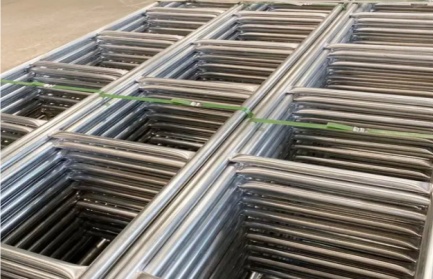
One of the biggest causes of rust is simple mechanical damage. A scaffolding ladder is often loaded onto trucks, moved around the site, leaned against structures, and stacked with other steel parts. Repeated contact between metal components can chip paint or scratch the coating. Once the protective barrier is broken, moisture can reach the zinc layer more easily, and over time the steel itself may become exposed.
This is especially common around:
· Ladder hooks
· Step edges
· Weld seams
· Bottom ends that contact the ground
· Connection points where friction happens repeatedly
Even a high-quality product can rust in these areas if handling is rough and inspection is ignored.
Corrosion loves trapped moisture. If a galvanized painted scaffolding ladder is used in rain or washed after site exposure but not dried properly, water may remain in corners, around joints, or between stacked ladders. Horizontal storage can make this worse because water pools more easily. When the surface stays wet for long periods, the protective system is under more stress.
Repeated wet-dry cycles can also accelerate damage. A ladder used outdoors daily may dry partially in sunlight, then become wet again overnight from humidity or dew. Over time, that repeated exposure can weaken paint adhesion and encourage localized corrosion.
Construction sites are harsh environments for coated steel. Wet cement, mortar splashes, alkaline residue, and cleaning chemicals can all affect the painted surface. If these materials remain on the ladder, they may trap moisture or react with the coating. In some cases, they create a rough contaminated layer that starts to break down paint and expose underlying metal.
This is why corrosion is not only a weather issue. Site chemistry matters too. A ladder working near plastering, masonry, concrete pouring, or chemical cleaning operations may face higher corrosion risk even if rainfall exposure is limited.
Projects near coastlines, ports, marine logistics yards, or humid industrial zones face a more aggressive corrosion environment. Salt in the air increases the conductivity of moisture and accelerates metal deterioration. In these conditions, a galvanized painted scaffolding ladder may require more careful inspection and faster maintenance than one used inland.
Salt exposure is especially harmful when combined with scratches or poor cleaning. Even small damaged spots can develop corrosion much faster in coastal applications.
A good product can deteriorate quickly if stored badly. Ladders left directly on muddy ground, stacked tightly without airflow, or covered with water-trapping tarps often develop problems before they even return to service. Storage areas with poor drainage or heavy condensation are also risky.
Here is a simple summary of common corrosion causes:
Corrosion Cause | What Happens | Risk Level |
Paint scratches and impact damage | Exposes protective layers | High |
Trapped rainwater or condensation | Keeps surface wet for long periods | High |
Cement and chemical residue | Weakens paint and traps moisture | Medium to High |
Coastal salt exposure | Speeds up corrosion reaction | High |
Poor storage ventilation | Prevents drying and encourages rust | Medium to High |
Lack of inspection | Small damage becomes major corrosion | High |
Rust rarely begins everywhere at once. It usually starts in predictable locations. Understanding these areas helps users inspect ladders more effectively and respond before corrosion spreads.
The first high-risk area is usually the lower end of the ladder. This section often contacts wet ground, concrete surfaces, mud, and standing water. It also takes frequent impact during handling.
The second common location is around step-to-frame connections and weld zones. These areas experience stress, coating variation, and repeated use. If water or dirt collects there, corrosion may begin earlier than on smoother surfaces.
A Galvanized Painted Scaffolding Ladder can still rust because galvanizing and paint reduce corrosion risk, but they do not eliminate the effects of impact damage, trapped moisture, aggressive site materials, salt exposure, and poor storage. In our experience, the best way to extend product life is not to rely on coating alone, but to combine good product quality with better handling, regular cleaning, dry storage, and early maintenance. Rust often begins in small overlooked areas, which is why routine inspection is essential for contractors, distributors, and rental users who want longer service life and more stable performance. At Tianjin Friend Steel Group, we believe practical corrosion control starts with understanding how these ladders work in real construction environments, not just how they look when new. For buyers who want to learn more about dependable scaffold access products, surface protection, and suitable solutions for different jobsite conditions, we welcome you to contact Tianjin Friend Steel Group and explore our scaffold ladder range in more detail.
Rust can still appear when paint is scratched, galvanizing is damaged, or moisture and chemicals stay on the surface for too long. Protection helps, but working conditions still matter.
Corrosion often starts at lower ends, weld areas, step edges, hooks, and connection points because these areas face more impact, friction, and moisture retention.
Keep the ladder clean, dry it before storage, avoid rough handling, inspect coating damage regularly, and store it in a ventilated covered area off the ground.
It can be used in coastal environments, but salt exposure increases corrosion risk, so more frequent inspection, cleaning, and maintenance are recommended.
