
Views: 0 Author: Site Editor Publish Time: 2026-07-08 Origin: Site


Bending galvanized steel pipe presents a unique metallurgical challenge. You must alter the steel’s shape without compromising the protective zinc coating. Improper bending techniques quickly lead to zinc flaking, micro-cracking, and accelerated corrosion. These failures ultimately defeat the primary purpose of specifying galvanized materials. Fabricators face strict constraints when modifying these coated pipes. Preserving the sacrificial barrier remains just as critical as achieving the correct structural angle. This guide outlines industry-standard cold-bending methodologies. We evaluate essential equipment criteria and establish the critical safety protocols required for fabrication. You will learn how to maintain structural and chemical integrity throughout the bending process. We will cover tooling selection, standard operating procedures, and essential remediation steps to ensure a flawless finish. Protect your materials and your workforce by following these proven industry guidelines.
Cold Bending is the Standard: Heating galvanized steel releases highly toxic zinc oxide fumes; cold bending (rotary draw or hydraulic) is the industry-preferred and compliant method.
Coating Integrity is the Primary Constraint: The bend radius must align with ASTM standards to prevent the zinc-iron alloy layers from shearing off the steel substrate.
Tooling Scales with Diameter: Manual leverage benders are viable only for small diameters (under 1 inch); industrial applications require hydraulic or geared mechanical benders.
Post-Bend Treatment is Mandatory: Any micro-cracking in the stress zone must be inspected and remediated with zinc-rich cold galvanizing compounds to maintain corrosion resistance.
Fabricators often debate whether you can bend materials post-dipping. The answer is definitively yes. However, you must first understand the structural composition of the coating. Hot-dip galvanizing creates rigid zinc-iron alloy layers. These layers are extremely brittle compared to the underlying steel substrate. When you bend Galvanized Steel Pipe, the zinc stretches on the outside curve. Simultaneously, it compresses on the inside curve. The base steel flexes easily. The zinc coating resists this flex and risks shearing off.
A common industry myth claims you simply cannot bend pre-galvanized pipes. Many forums suggest the coating will inevitably shatter. This is a false assumption. You can successfully bend these pipes. You just need to ensure the bend radius exceeds the material's minimum threshold. The zinc coating will stretch up to a specific limit before structural failure occurs. You must respect this metallurgical limit during every fabrication step.
Following standard fabrication constraints ensures project success. Institutions like the American Galvanizers Association (AGA) provide specific guidelines. ASTM A767 also details acceptable bend diameters and strict temperature limits. These standards dictate precise minimum bend radii based on pipe thickness. Ignoring these standards guarantees coating degradation. You must calculate the centerline radius carefully before applying force.
Consider the massive cost of fabrication failure. Flaking coatings lead to immediate site rejections by safety inspectors. Even minor undetected flakes cause severe problems. The compromised pipe will suffer premature field failure. Rust accumulates rapidly in these exposed micro-fissures. Preserving the coating avoids expensive material replacements. It also prevents long-term structural liabilities for your clients.
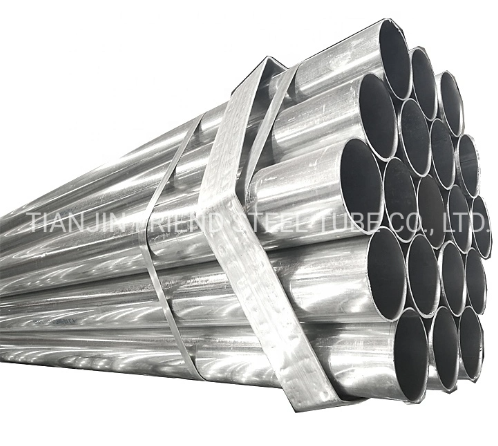
You need the right tooling to manipulate steel properly. Tool selection depends entirely on pipe schedule, outer diameter (OD), and production volume. Selecting undersized equipment will damage the pipe walls. Selecting oversized equipment wastes capital. You must evaluate your specific project parameters before purchasing tools.
We created a decision matrix to help you choose the appropriate equipment. Review the parameters below to match your project needs.
Tool Type | Ideal Pipe Diameter | Production Volume | Coating Damage Risk | Primary Use Case |
|---|---|---|---|---|
Manual Lever / Hickey | Under 1 inch | Low / Occasional | High | Field adjustments, quick DIY fixes |
Hydraulic Ram Bender | 1 to 2 inches | Medium | Moderate | Construction sites, structural frames |
Rotary Draw Bender | Up to 4 inches+ | High / Continuous | Low | Commercial fabrication shops |
Field workers often rely on manual tools for quick adjustments. These tools work best for low-volume tasks. They are only suitable for diameters under one inch. However, manual leverage carries a massive margin for human error. Operators frequently produce inconsistent bend radii. The risk of kinking the pipe increases significantly during manual operations.
In reality, manual bending remains incredibly labor-intensive. It requires highly skilled operators to execute properly. Novice workers will easily flatten the pipe walls. They will also apply uneven pressure, causing the zinc to crack. Reserve manual tools strictly for minor field corrections.
Commercial fabrication demands superior accuracy and repeatability. Rotary draw and hydraulic tools excel at creating precise angles. They easily handle thick-walled materials. They are mandatory for bending large-diameter Galvanized Steel Pipe safely. These machines maintain a perfect centerline radius (CLR) throughout the draw.
These advanced systems often utilize internal mandrels. A mandrel fits inside the pipe during the bend. It provides crucial internal support to prevent wall collapse. This internal stability directly protects the delicate outer zinc coating from distortion. While scalability requires high initial capital expenditure, it substantially lowers per-unit labor costs. It heavily reduces material waste during large production runs.
Executing a clean bend requires a highly methodical approach. You cannot rush this process. Follow this standard operating procedure to protect both the coating and the steel structure.
Preparation dictates the success of your fabrication. Never skip these initial steps.
Select the correct die size: The die must exactly match the pipe outer diameter. A mismatched die creates an oval shape. It will crush the pipe or aggressively scrape the zinc layer.
Lubricate thoroughly: Apply generous lubrication to both the die and the pipe surface. High-quality bending gel minimizes friction. Lower friction means less stress pulling against the brittle zinc layer.
Clean the pipe: Wipe away any dirt or abrasive debris. Debris trapped between the pipe and the die will gouge the protective coating.
Once prepped, proceed with the physical manipulation. Operator patience is essential here.
Secure the material: Lock the pipe firmly into the machine. Ensure it cannot slip during the draw.
Apply steady pressure: Utilize slow, consistent pressure. Avoid sudden, jerky forces. Rapid movements will instantly snap the brittle zinc-iron alloy layers.
Calculate springback: Steel naturally wants to return to its original shape. You must over-bend the pipe slightly. This allows it to relax back into your true target angle. Springback rates depend entirely on the specific yield strength of your steel grade.
Release tension slowly: Back the machine off gently to prevent shock to the newly formed curve.
Inspect the extrados (the outside curve) carefully after releasing the pressure. You must look for "crazing" or visible flaking. Minor micro-cracking is somewhat normal and expected. However, you cannot leave these micro-cracks exposed to the atmosphere. Moisture will immediately penetrate to the raw steel.
You must apply a zinc-rich paint to any stressed areas. This application restores vital cathodic protection. Ensure your cold galvanizing compound contains a minimum of 92% zinc dust in the dry film. Brush the surface lightly to remove loose flakes before spraying. This step ensures long-lasting defense for your Galvanized Steel Pipe.
Heating metals generally makes them much easier to manipulate. However, applying heat to galvanized materials creates severe safety hazards. It also destroys the chemical integrity of the product.
Heating the pipe above 392°F (200°C) irreparably damages the zinc layer. The protective coating begins to break down structurally at this temperature. If you heat the material to standard welding or hot-bending temperatures, the zinc literally vaporizes. It boils off the surface entirely. This action leaves the underlying steel completely exposed to corrosive elements.
Vaporizing zinc poses a massive health threat to your crew. Workers inhaling toxic zinc oxide gas rapidly develop metal fume fever. Symptoms mimic a severe flu. Victims experience severe chills, high fever, extreme nausea, and muscle aches. These symptoms hit within hours of exposure. Safety organizations strictly caution against heating these pipes indoors. You must avoid hot-bending at all costs.
Cold bending remains the only globally compliant method. However, field realities sometimes demand localized heating for emergency structural corrections. If you absolutely must apply heat to a Galvanized Steel Pipe, strict OSHA protocols apply immediately.
You must mandate the use of P100 respirators. Standard dust masks offer zero protection against zinc oxide gas. Implement local exhaust ventilation directly over the heating site. After you complete the heated bend, the original coating is entirely gone. You must aggressively wire-brush the bare steel. Finally, you must completely re-galvanize the affected area using commercial-grade zinc compounds.
Professional hydraulic benders are not always available on remote job sites. Equipment breaks down. Budgets sometimes prohibit heavy machinery rentals. You must employ alternative approaches for field emergencies. These methods require patience and physical effort.
Mechanics have used sand-packing for decades to manipulate pipes manually. This method effectively replicates the function of an internal mandrel. It provides crucial internal structural support during the bend.
First, obtain completely dry, fine silica sand. Any moisture in the sand ruins the compaction. Tightly pack the entire length of the pipe with this sand. Tap the sides of the pipe continuously with a mallet to settle the sand. Once completely full, cap both ends securely. You can use threaded caps or heavy wooden plugs. The compacted sand creates outward pressure against the inner walls.
This internal pressure effectively prevents kinking. It stops the pipe from ovaling during manual leverage bends. The sand acts as a rigid backbone. Once the bend is complete, uncap the ends and pour the sand out.
However, this process carries severe operational limitations. It is incredibly slow. It requires tedious preparation. Sand-packing strictly suits low-volume DIY scenarios or remote prototyping. It is entirely unscalable for commercial production. If your team spends hours packing sand, you lose massive labor capital. For high-volume projects requiring reliable Galvanized Steel Pipe installation, invest in proper mechanical tooling immediately.
Bending galvanized steel pipe effectively requires balancing structural manipulation with chemical preservation. You must force the steel into new geometries while protecting the delicate zinc layer. Achieving this balance requires strict adherence to cold-bending methodologies and equipment standards. Avoid cutting corners or relying on outdated heating methods.
For commercial applications, invest heavily in proper cold-bending equipment like rotary draw benders. Adhere strictly to minimum bend radii guidelines to prevent catastrophic coating failure. Assess your project's volume and pipe diameter early to shortlist the correct tooling. Finally, always mandate a rigorous post-bend zinc inspection protocol. Touching up micro-cracks with high-quality zinc paint prevents future rust. Following these steps proves far more cost-effective than remediating cracked, degraded pipes in the field.
A: Yes, by using slow, consistent cold-bending techniques, appropriate die sizes, and respecting the minimum bend radius specific to the pipe's schedule and diameter. Minor micro-cracking is normal and requires cold-galvanizing touch-ups.
A: While it varies by pipe schedule, a general industry rule is a minimum centerline radius of 4 to 6 times the outside diameter (OD) of the pipe to prevent severe coating damage.
A: No. Heating vaporizes the zinc coating, destroying its corrosion resistance and releasing highly toxic zinc oxide fumes that cause heavy metal poisoning (metal fume fever). Cold bending is the required standard.
A: Wire-brush the affected area to remove loose flakes and apply a high-quality, zinc-rich cold galvanizing compound (paint or spray) to restore the sacrificial corrosion barrier.
