
Views: 0 Author: Site Editor Publish Time: 2026-07-04 Origin: Site


Selecting the right piping material requires balancing upfront costs, environmental exposure, and long-term maintenance. Engineers and builders face constant pressure to avoid premature material failures. Galvanized Steel Pipe solves many of these industrial challenges directly. We define this material concisely as steel coated in a protective zinc layer to prevent oxidation and rust. While historically the default for residential plumbing, modern building codes and material science have shifted its primary use cases toward structural, exterior, and heavy industrial applications. You need to know exactly when to rely on it. This article provides an evidence-based framework for evaluating where to use galvanized steel. You will discover where to avoid it entirely and how to specify it against market alternatives. We outline the manufacturing variations, inherent risk factors, and actionable procurement strategies.
Primary Uses: Best suited for outdoor structural applications, scaffolding, fencing, and non-potable water or irrigation systems.
Critical Limitation: No longer recommended (and often code-restricted) for modern residential potable water systems due to internal corrosion and potential heavy metal (lead) leaching over time.
Cost vs. Value: Offers superior physical durability and impact resistance compared to PVC, but is heavier and harder to retrofit than copper or PEX.
Specification: Procurement requires matching the galvanization method (hot-dip vs. electroplated) to the specific environmental exposure of the project.
Projects face harsh weather continuously. They endure heavy physical impacts and soil moisture constantly. These severe conditions demand highly resilient materials. You need options resisting rapid degradation. You cannot afford constant repainting cycles. Poor material choices cause expensive structural failures. Galvanized Steel Pipe solves these core business challenges directly. It provides a robust defense mechanism against the elements.
What makes the zinc coating mechanically superior? Engineers rely on a chemical mechanism called cathodic protection. The exterior zinc layer does not just block moisture passively. It sacrifices itself chemically. It protects the underlying steel from rust proactively. When exposed outdoors, the zinc reacts alongside atmospheric oxygen. It eventually forms a dense zinc carbonate layer. This chalky barrier remains highly impermeable. If a physical impact scratches the surface, you do not immediately lose protection. The surrounding zinc acts as a sacrificial anode. It oxidizes before the exposed bare steel begins rusting.
We must categorize the manufacturing methods correctly. Producers utilize two primary techniques. Each method yields radically different physical properties.
Hot-Dip Galvanization: This involves submerging steel into molten zinc. The temperature reaches approximately 840 degrees Fahrenheit. This extreme heat creates a thick alloy bond. We highly recommend this method for heavy structural loads. It excels in extreme outdoor environments.
Electro-Galvanizing: This technique applies zinc using an electrical current. The steel sits in a saline zinc solution. This produces a much thinner coating. It creates a smooth, aesthetically pleasing finish. You should use electro-galvanized materials indoors primarily. They lack the necessary thickness for severe outdoor weather survival.
Selecting the correct manufacturing method guarantees a predictable lifespan. Proper specification yields excellent longevity. You can expect 40 to 50 years of service in rural environments. Severe urban or coastal environments typically see 25 years of reliable performance. Coastal salt sprays accelerate zinc degradation significantly.
Galvanization Method Comparison Matrix
Manufacturing Method | Process Temperature | Coating Thickness | Best Application Environment | Expected Outdoor Durability |
|---|---|---|---|---|
Hot-Dip | ~840°F (449°C) | Heavy / Thick | Harsh Outdoor / Industrial | Maximum (25-50+ Years) |
Electroplated | Ambient Room Temp | Light / Thin | Indoor / Aesthetic Structural | Low (Prone to rapid weather wear) |
Structural applications dominate modern usage globally. Construction teams trust Galvanized Steel Pipe to support heavy loads safely. Scaffolding frameworks require immense axial load-bearing strength. These vital frameworks face constant weather exposure on job sites. They also suffer daily physical impacts from heavy construction equipment. Zinc coatings prevent rust from weakening the critical structural joints over time.
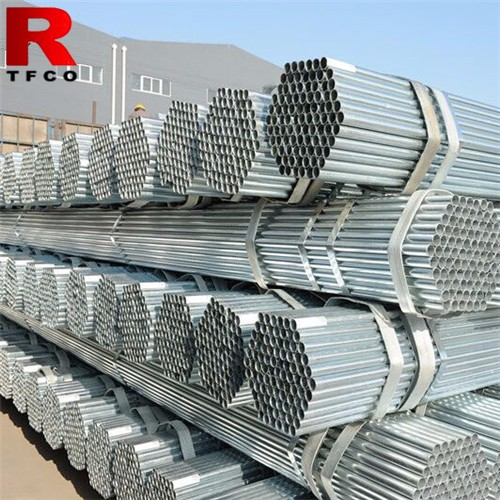
We also see extensive utilization across the agricultural sector. Here are the primary structural and industrial implementations:
Structural and Construction Implementations: Workers use it for heavy handrails and guardrails. Chain-link fence posts rely heavily on this material. Farm buildings utilize it for internal structural framing. Agricultural environments expose materials to animal waste continuously. Animal waste contains highly corrosive ammonia compounds. The thick hot-dip zinc layer resists this chemical degradation effectively.
Industrial and Fluid Conveyance: High-pressure compressed air lines demand absolute physical integrity. A rogue forklift bump easily shatters plastic air lines. Steel lines might dent upon impact. However, they rarely burst under pressure. Impact resistance proves critical for factory floor safety. Facilities also specify this material for heavy wastewater transport. Large-scale agricultural irrigation lines utilize it frequently. These applications do not require strict potable water compliance. They only require high volume flow and external burst resistance.
Automotive and Aerospace: Engineers design specialized structural reinforcements using galvanized tubing. They prioritize the exceptionally high tensile strength. They also value the basic rust deterrence during long-term vehicle operation.
We must evaluate these choices through a strict engineering lens. Galvanized steel remains a top-tier choice for these specific heavy applications. It offers an unmatched ratio of physical strength to weather resistance. You cannot achieve this specific structural balance using basic plastics or raw uncoated iron.
We must address the legacy compliance issues head-on. The plumbing industry historically relied on this material universally. Properties built before the 1980s frequently utilized galvanized water lines. Today, property owners actively replace these aging distribution systems across the country.
The primary risk involves extreme zinc degradation over decades. The internal water flow constantly wears away the inner zinc lining. This friction exposes the bare steel underneath rapidly. Internal rust begins forming almost immediately. The rust creates massive blockages inside the piping system. Plumbers call this destructive process tuberculation. It severely reduces water pressure throughout the entire building.
More dangerously, this degradation introduces severe health risks. Old zinc coatings contained various chemical impurities. These historical impurities often included lead to help fluidize the zinc bath. As the inner layer breaks down, heavy metals enter the drinking water. Lead leaching poses massive neurological safety hazards. You must never specify this material for new residential potable water systems.
Underground installations introduce completely different environmental vulnerabilities. Certain soil types prematurely strip the external zinc coating. Highly acidic soils attack the zinc chemically. Poorly draining clay soils trap corrosive moisture against the buried metal constantly. This continuous wetness accelerates external corrosion rapidly. You must test local soil resistivity before burying these lines.
We recommend a strict decision framework for project managers. Does your project involve modern residential plumbing? Pivot immediately to alternative materials. Does the system transfer highly acidic manufacturing fluids? The acid will destroy the zinc coating instantly. Do you need to run natural gas lines? Never use galvanized materials for natural gas transport. The inner zinc layer eventually flakes off. These metal flakes travel through the high-pressure gas flow. They clog sensitive gas regulator valves downstream. This creates catastrophic fire hazards. Always choose black iron pipe for gas lines.
Project managers must evaluate materials objectively during the design phase. You should compare Galvanized Steel Pipe against standard market alternatives. Each material offers distinct advantages and inherent physical weaknesses.
First, let us compare steel against PVC and CPVC. Steel provides massive impact resistance. It handles extreme temperature fluctuations effortlessly. UV light from the sun degrades PVC plastics rapidly. Steel remains completely immune to solar UV damage. However, PVC costs significantly less upfront. PVC weighs much less, making manual installation easier. PVC completely resists rust formation. But cold weather turns PVC highly brittle. A minor winter impact easily shatters exposed PVC lines.
Next, we evaluate steel against copper tubing. Steel carries a much lower upfront material cost. Copper prices remain highly volatile on the global commodities market. Job site copper theft plagues modern construction projects daily. Steel proves highly theft-resistant due to its extreme weight. Copper shines brightly in potable water applications. Plumbers easily cut and solder copper joints. Steel requires heavy threading machinery. Steel excels at handling heavy structural loads where copper would simply crush.
Finally, we must contrast galvanized materials against stainless steel. Stainless steel delivers ultimate corrosion resistance globally. It protects against internal and external rust flawlessly. Architects love its premium aesthetic finish. Unfortunately, stainless steel proves massively more expensive per foot. It ruins tight project budgets quickly. Galvanized options serve as the pragmatic choice. They provide cost-effective bulk structural support. You should choose them when internal fluid purity remains unnecessary.
Material Performance Evaluation Matrix
Material Type | Impact Resistance | UV Light Tolerance | Potable Water Safety | Relative Material Cost |
|---|---|---|---|---|
Galvanized Steel | Excellent | Excellent | Poor (Legacy Risk) | Moderate |
PVC / CPVC | Poor (Brittle in cold) | Poor (Degrades) | Excellent | Low |
Copper | Moderate (Soft metal) | Excellent | Excellent | High |
Stainless Steel | Excellent | Excellent | Excellent | Very High |
Moving from evaluation to purchase requires careful implementation considerations. Project managers need specific technical knowledge before issuing a purchase order. Poor procurement strategies lead to massive installation delays on site.
You must clearly define your engineering standards immediately. Ensure all vendor quotes reference the correct industry standards. You should demand ASTM A53 compliance for standard steel pipe. This guarantees the baseline structural integrity. You must also specify ASTM A123 for the zinc coating applied. This standard dictates the required zinc coating thickness.
Sizing and threading dictate your overall installation difficulty. Galvanized Steel Pipe requires specialized threading equipment. Installers must use heavy-duty iron fittings. These dense fittings increase manual labor time.
Welding Safety Risks: You cannot weld these materials easily. The extreme welding heat instantly vaporizes the protective zinc coating. This destruction releases highly toxic zinc oxide fumes into the air. Inhaling these fumes causes severe metal fume fever. Welders must physically grind away the zinc layer before welding. This mandatory step adds significant labor costs.
Post-Weld Repairs: After grinding and welding, the steel loses its protection. Technicians must apply a specialized cold galvanizing compound. This zinc-rich paint restores basic atmospheric protection to the welded joint.
Vendor Vetting: Vendor vetting remains absolutely crucial. You must assess supplier quality rigorously. Ask for material test reports upfront. Look for uniform coating thickness across the entire batch. Inspect the threaded ends carefully. You want to avoid zinc pooling at the threads. Pooled zinc prevents tight mechanical seals.
Supply Chain Transparency: Demand transparent lead times for bulk tonnage orders. Supply chain delays severely impact tight construction schedules. Ensure your supplier holds enough inventory locally.
Galvanized steel pipe remains an indispensable industrial material today. It dominates heavy structural applications globally. You can trust its immense physical strength outdoors. However, it requires careful deployment outside of modern potable water systems.
Take these actionable next steps to finalize your project planning:
Assess your specific environmental constraints thoroughly regarding local UV exposure and physical impact risks.
Analyze the exact fluid type your system will convey before purchasing.
Test your local soil acidity levels if planning any underground trench installation.
Consult a structural engineer to verify your dead load and wind load calculations.
Finalize your material schedule by engaging a certified piping supplier directly.
A: It typically lasts 40 to 50 years in mild rural environments. Severe weather heavily dictates its true lifespan. Highly acidic water or corrosive soils degrade the zinc faster. Coastal saltwater exposure usually reduces the effective lifespan to roughly 25 years.
A: No, modern building codes prohibit it for new drinking water builds. Legacy systems often leach trapped lead and iron as the inner zinc degrades. If you own an older home, we strongly recommend professional water testing and immediate repiping.
A: Yes, but it requires extreme caution. Welding vaporizes the zinc coating instantly. This releases toxic fumes causing metal fume fever. Welders must mechanically grind away the zinc layer around the weld zone beforehand. You must also reapply a cold galvanizing compound afterward.
A: Yes, it will eventually rust. The exterior zinc layer acts as a sacrificial barrier. It oxidizes first to protect the underlying steel. Once harsh weather or chemicals completely deplete this zinc barrier, the bare steel exposes itself and begins rusting.
